
Are you ready to change your life and mindset for the better? Not with a quick-fix self-help guide, but with the kind of deep, resonant understanding that comes from wrestling with history itself. Mahmood Mamdani’s ‘Slow Poison’ is that rare book that doesn’t just sit on your shelf—it gets under your skin, challenging you to see the world, power, and your own place in it with startling new eyes. This isn’t a book about personal habits; it’s a masterclass in understanding the slow, systemic forces that shape nations and, by extension, our collective consciousness.
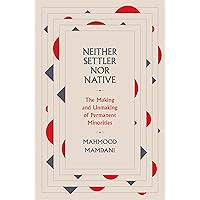
Based on a compelling NPR interview with the author, this review delves into Mamdani’s firsthand account of Uganda’s turbulent struggle for independence. We’ll explore the core messages of ‘Slow Poison’—a narrative that masterfully connects the personal to the political. The thesis here is simple yet profound: engaging with this kind of rigorous, historical truth-telling is itself a transformative act. It promises to change your values and behaviors not by giving you ten easy steps, but by fundamentally altering how you perceive cause and effect, justice, and the long arc of human struggle. Prepare to have your perspective expanded.
Core Message and Key Themes
At its heart, ‘Slow Poison’ is about the toxic legacy of colonialism and the arduous, ongoing fight for true sovereignty. Mahmood Mamdani, with the precision of a scholar and the passion of someone who lived this history, argues that independence wasn’t a single event but a continuous, often painful, process of detoxification. The ‘slow poison’ of the title is the insidious administrative, cultural, and psychological infrastructure left behind by colonial powers—a system designed to control and divide, which continues to influence post-colonial nations like Uganda long after the flag-lowering ceremonies.
The themes here resonate deeply with anyone interested in personal and collective growth. It’s a masterclass in understanding how systems shape identity and destiny. Mamdani explores the theme of manufactured division—how colonial powers categorized people into ‘natives’ and ‘settlers,’ creating social fractures that fueled conflict for generations. This isn’t just Ugandan history; it’s a lens through which to examine any context where power seeks to control by separating. Furthermore, the book relentlessly pursues the theme of agency. It’s a story of resistance, resilience, and the messy, imperfect, but vital work of building a nation from the fractured pieces of a colonial past. Reading it, you’re challenged to consider the ‘slow poisons’ in your own life—the inherited narratives, the systemic biases—and the continuous effort required to claim your own authentic independence.
Actionable Insights You Can Apply Immediately
While ‘Slow Poison’ is a profound historical text, its insights are far from being locked in the past. Mahmood Mamdani masterfully connects Uganda’s specific struggle for independence to universal themes of power, identity, and liberation. The book’s central lesson—that the most damaging forces are often the slow, systemic ones we learn to live with—is a powerful lens you can apply to your own world. It challenges you to identify the ‘slow poisons’ in your own life and society: the unquestioned narratives, the inherited biases, or the institutional inertia that quietly shapes your reality.
Integrating this new perspective into daily life starts with a simple but powerful habit: critical questioning. After reading Mamdani’s meticulous deconstruction of colonial and post-colonial history, you’ll find yourself pausing to ask, ‘Whose story is this serving?’ when consuming news, history, or even corporate policy. This isn’t about cynicism, but about cultivating a more informed and active citizenship. The book provides a practical framework for understanding how power operates, which you can use to analyze current events, workplace dynamics, or community issues with far greater depth. By applying this historical consciousness, you move from being a passive consumer of information to an engaged interpreter of the world, transforming your reading from an academic exercise into a tool for daily clarity and empowerment.
Strengths and Weaknesses of the Book
Mamdani’s ‘Slow Poison’ is a masterclass in making complex history feel immediate and personal. Its greatest strength lies in its unflinching, firsthand perspective. This isn’t a dry academic treatise; it’s a narrative woven from the lived experiences of a nation, giving a human face to the monumental struggle for Ugandan independence. Mamdani excels at connecting the dots between colonial policy and its lingering, corrosive effects—the ‘slow poison’ of the title. He doesn’t just tell you what happened; he explains the why and the how it felt, transforming historical events from distant facts into a compelling, often heartbreaking, story of resilience. The book’s power is in its ability to make you see the enduring architecture of power and its impact on ordinary lives.
However, this very strength points to a potential challenge for some readers. The narrative is deeply immersive in its specific Ugandan and East African context. If you’re coming to the book without a foundational interest in post-colonial African history, the density of names, political movements, and localized events might feel overwhelming at first. This isn’t a broad, sweeping overview for a complete novice. Additionally, while Mamdani’s personal and scholarly investment is the book’s heartbeat, some might crave even more diverse primary source voices to complement his authoritative analysis. Yet, these aren’t so much weaknesses as they are considerations. ‘Slow Poison’ knows its mission: to provide a profound, granular, and transformative look at a specific historical crucible. It delivers that with searing clarity and intellectual force, asking you to lean in and engage deeply with its world.
Who Should Read This Book?
While ‘Slow Poison’ is, at its heart, a rigorous historical account, its power lies in its ability to speak to a surprisingly wide audience. It’s not just for academics or specialists in African studies, though they will undoubtedly find it essential. This is a book for any curious mind seeking to understand the world as it is today, not as it’s often simplistically presented.
You will benefit most from Mamdani’s work if you are a reader who feels that mainstream historical narratives are often missing crucial pieces of the puzzle. If you’ve ever questioned the neat, colonial-era frameworks that still shape our understanding of nations like Uganda, this book is your corrective lens. It’s ideal for the globally conscious citizen, the student of political science or international relations hungry for a ground-level view, and the traveler who wants to move beyond guidebooks to grasp the soul of a place through its complex past.
The book aligns perfectly with a mindset of open, critical engagement. Come to it not for a light, chronological tale, but for a challenging and deeply analytical argument. It rewards the reader who is willing to sit with discomfort, to unravel the ‘slow poison’ of institutional and ideological legacies. If you’re ready to have your assumptions about post-colonial Africa, governance, and national identity thoughtfully and forcefully reconsidered, then you are precisely the reader Mahmood Mamdani is speaking to. This isn’t just history; it’s a masterclass in how to think about history.
How This Book Will Transform You
Reading ‘Slow Poison’ is not a passive act of learning history; it is an active engagement that will fundamentally reshape how you see the world and your place in it. Mahmood Mamdani doesn’t just present facts—he hands you a new lens, and once you look through it, you can’t go back.
First, your mindset will shift. You’ll move from a fixed, often simplistic view of history and power to a growth-oriented mindset that seeks to understand root causes and complex systems. You’ll stop seeing nations like Uganda as mere backdrops for tragedy and start appreciating them as arenas of profound human agency and resilience. This book teaches you to embrace resilience and adaptability not as abstract concepts, but as the lived, breathing reality of people navigating the ‘slow poison’ of colonial and post-colonial legacies. You’ll begin to question the narratives you’ve been fed, developing a critical patience for nuance over easy answers.
This shift in thinking naturally alters your behavior. You’ll find yourself incorporating daily reflective practices, pausing to consider the deeper historical currents beneath today’s headlines. Conversations about politics, justice, and identity will become richer and more informed. More importantly, Mamdani’s meticulous account of a people’s struggle for self-determination inspires you to start setting and pursuing meaningful personal goals rooted in agency and purpose, rather than passive acceptance.
The long-term impact is profound. This isn’t a book you forget. It grants a deeper sense of purpose by connecting personal journey to collective history. Your decision-making improves because you’re considering longer timelines and wider contexts. Ultimately, ‘Slow Poison’ offers a masterclass in sustained intellectual and moral growth, leading to a more thoughtful, engaged, and fulfilling life. You don’t just learn about transformation—you undergo one.
Conclusion
Mahmood Mamdani’s ‘Slow Poison’ is more than a history book; it’s a powerful lens. It offers the invaluable insight that understanding the past—its complex, often painful truths—is the most practical tool we have for navigating the present. By meticulously unpacking Uganda’s struggle, Mamdani doesn’t just inform us; he fundamentally shifts how we see power, resistance, and nation-building. This isn’t a fleeting intellectual exercise. Engaging with this narrative fosters a lasting change in mindset, moving us from passive consumers of history to active, critical interpreters of the forces that shape our world. The long-term benefit is a deeper, more empathetic, and more discerning engagement with global stories, both past and present. If you’re ready to have your perspective challenged and enriched, to trade simple narratives for profound understanding, then heed this call: Dive into this transformative book today to start reshaping your values and behaviors for a brighter, more informed future.