=
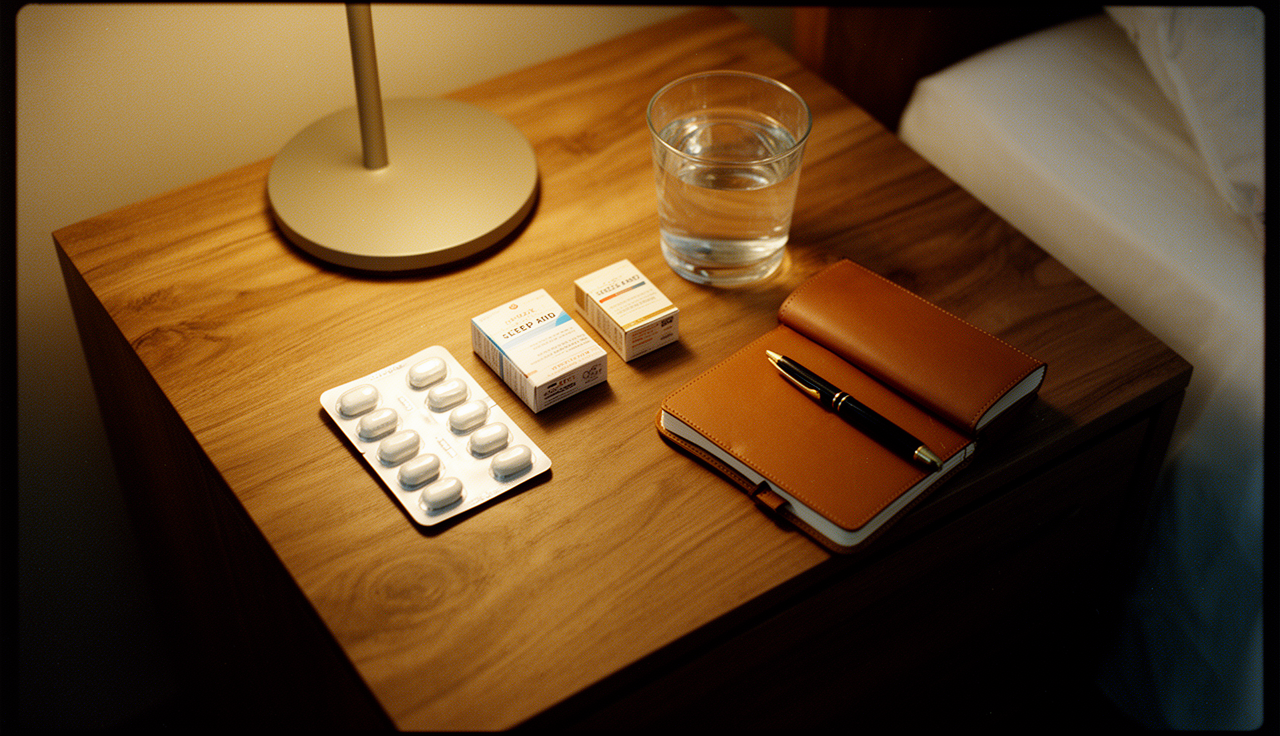
Whether it’s a lingering deadline or the caffeine from that late-afternoon Austin coffee run, we’ve all been there. When you’re staring at the ceiling at 2 AM, the temptation to grab anything with “sleep” on the label is real. But here’s the thing: the sleep aid market in 2025 is a confusing sea of marketing hype and, quite frankly, some concerning new safety data.
I’ve spent the last few months diving into the latest clinical research—including a massive 2025 update on melatonin—and comparing pharmacist rankings to see what actually works without leaving you in a “sleep hangover” the next morning. My “Good Life Test” is simple: Does it solve the problem efficiently? Is it built for long-term health? And does it actually help you feel better the next day?
Here is the definitive guide to navigating the OTC aisle, so you can stop guessing and start resting.
The 2025 Sleep Aid Shortlist: Top Pharmacist-Ranked Picks
If you’re standing in a drugstore aisle right now, you don’t need a chemistry lecture; you need to know what works. Every year, the U.S. News & Harris Poll surveys hundreds of pharmacists to see which brands they actually recommend to their own families.
For 2025, two names continue to dominate the rankings based on their “score” (a metric of pharmacist trust and effectiveness).
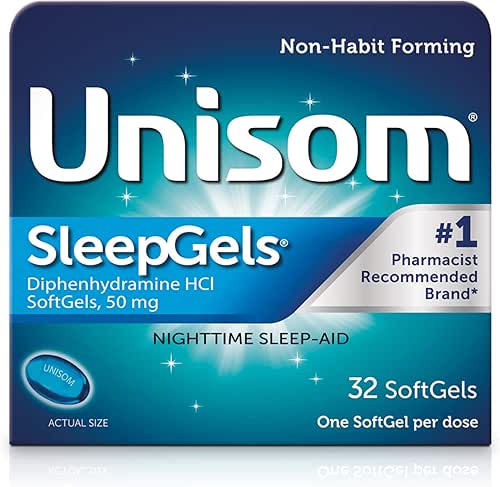
Best for Quick Sedation: Unisom (Diphenhydramine)
I’ll be the first to admit it: I ignored the “blue pill” options for years because I wanted to be a “natural” purist. But after a particularly brutal week of travel, I realized that sometimes you need a temporary bridge to get back on track.
You know that feeling when your body is exhausted but your brain is running a marathon? That’s where a sedating antihistamine like diphenhydramine comes in. It blocks the histamine in your brain that keeps you alert. I tried the 50mg standard dose during a period of acute stress, and what surprised me was the sheer speed of the onset. It doesn’t “invite” sleep; it demands it.
Micro-Verdict: The ultimate heavy-hitter for those “I need to be out in 20 minutes” nights.

Best Natural Option: Natrol Melatonin
When it comes to the “Good Life Test,” Natrol wins on accessibility and consistency. I’ve gone through dozens of melatonin brands, and I keep coming back to this one because it doesn’t feel “over-engineered.”
My journey with melatonin started when I was trying to fix my circadian rhythm after a West Coast trip. I tried some of those trendy, expensive “sleep cocktails,” but they often made me feel weirder the next day. Natrol’s targeted approach helps align your internal clock with the sun—exactly what melatonin is supposed to do. In the 2025 pharmacist survey, Natrol secured a high trust score (84 out of 100), making it the top-recommended supplement in its class.
Micro-Verdict: The gold standard for resetting your internal clock after travel or a late night.
Choosing Your Tool: Pharmacologic Drugs vs. Dietary Supplements
It’s easy to lump everything under the “sleep aid” umbrella, but there is a massive regulatory gap you need to know about. This is where most people get tripped up.
OTC Drugs (Antihistamines): These are regulated by the FDA like any other medication. When you buy Unisom or ZzzQuil, you know exactly how much diphenhydramine or doxylamine is in that pill. They are powerful, but they are “blunt instruments.” The CDC warns that you can develop a tolerance to these very quickly—often within just a few days of consecutive use.
Dietary Supplements (Melatonin, Herbs): These are the “Wild West.” The FDA does not regulate their purity or dosing accuracy as strictly as drugs. Research from UC Davis has shown that some melatonin supplements contain 400% more (or less!) than what’s on the label.
The High-ROI Selection Framework
To choose the right tool for your specific night, consider these profiles:
- The Occasional Night Owl: Best served by a low-dose antihistamine (25mg) to break a one-night cycle of wakefulness.
- The Circadian Wanderer (Jet Lag): Best served by a 1mg-3mg dose of melatonin taken 90 minutes before your “target” bedtime.
- The Recovery Minimalist: Best served by magnesium glycinate, which supports muscle relaxation without heavy sedation.
Critical Safety Update: The 2025 Melatonin-Heart Link
Here is where we need to have a serious, coffee-chat style heart-to-heart. For years, we’ve treated melatonin like it’s a “free pass”—a natural hormone we can take indefinitely.
However, the American Heart Association (AHA) Scientific Sessions 2025 released a report that made me rethink my own supplement cabinet. The study found a correlation between long-term, high-dose melatonin use in people with chronic insomnia and an increased risk of heart failure and all-cause mortality.
Now, let’s take a breath. This was an observational study, which means it shows a link, not necessarily causation. But the takeaway for us in the “Good Life” community is clear: melatonin is a tool for a specific job (circadian rhythm adjustment), not a nightly crutch for years on end. If you’ve been taking 10mg every night for two years, it might be time to look at the “Beyond the Pill” strategies we’ll discuss later.
Matching the Solution to Your Sleep Problem
Not all “sleeplessness” is created equal. The Sleep Foundation notes that 80% of us struggle with just falling asleep. But if your problem is waking up at 3 AM with your heart racing, a standard melatonin gummy isn’t going to cut it.
Problem: “I Can’t Turn My Brain Off” (Sleep Onset)
This is usually a “high cortisol” or “high alert” issue. You need something that tells your nervous system it’s okay to stand down.
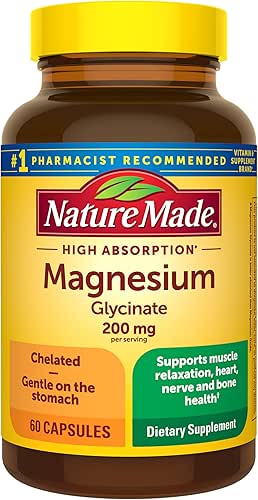
L-Theanine & Magnesium Glycinate
I’ll be honest: I was skeptical about magnesium at first. I thought it was just another wellness trend. But after researching the “High Lifestyle ROI” of minerals, I found that magnesium glycinate is one of the few things that actually makes me feel calmer before my head hits the pillow. It’s not a sedative; it’s a “chill pill” for your muscles and brain.
Micro-Verdict: The best duo for physical tension and “busy-brain” syndrome.
Problem: “I Wake Up at 3 AM” (Sleep Maintenance)
If you fall asleep fine but “ping” awake in the middle of the night, you might be dealing with a blood sugar dip or a “circadian dip.”
What finally clicked for me was switching to an extended-release formula. Instead of a massive dump of melatonin at 10 PM, these products release the supplement slowly over 6 hours. It mimics the body’s natural production much better than a quick-dissolve tablet.
The ‘High ROI’ Sleep Protocol: Beyond the Pill
My philosophy is that self-care starts with your space. When your environment supports you, you don’t need to rely on the medicine cabinet as often.
The NIH and major sleep bodies emphasize that Cognitive Behavioral Therapy for Insomnia (CBT-I) and lifestyle shifts are the only “first-line” treatments for chronic sleep issues. Pills are the bridge; lifestyle is the destination.
My Austin Sunday Reset Sleep List
- The 15-Minute Rule: If you aren’t asleep in 15 minutes, get out of bed. Do something boring (like folding socks) in dim light, then return when you’re sleepy. This prevents your brain from associating the bed with “struggle.”
- The Temperature Hack: Set your thermostat to 65-68°F. Your core temperature needs to drop to initiate deep sleep.
- Digital Sunset: Phones go in the kitchen (not the nightstand) at 9 PM. The blue light is a literal “wake up” signal to your brain.
- The Morning Sun: Get 10 minutes of direct sunlight as soon as you wake up. This anchors your circadian rhythm better than any supplement ever could.
Red Flags: When to See a Sleep Specialist
I love a good OTC solution as much as anyone, but we have to be honest about our limits. Sometimes, the “Good Life” means admitting we need professional help.
According to the American Psychiatric Association, if your sleep problems persist for more than three months or cause significant distress during the day, it’s no longer a “lifestyle tweak” issue.
The “Talk to a Doctor” Checklist
- The Snore Factor: If you (or your partner) notice loud snoring or gasping, you might have sleep apnea. A pill won’t fix this; you need a sleep study.
- The Leg Twitch: An irresistible urge to move your legs (Restless Leg Syndrome) often points to an iron deficiency or neurological issue.
- The Daytime Fog: If you’re falling asleep at your desk or while driving, despite “sleeping” 8 hours, something is wrong with your sleep quality.
- The Dependency Trap: If you feel you cannot function or sleep without an OTC aid, it’s time to work with a specialist to taper off safely.
Self-care isn’t about finding the strongest pill; it’s about building a life that you don’t need to sedate yourself to escape. Use these OTC aids as the helpful tools they are, but keep your focus on the “High ROI” habits that lead to a lifetime of rest.
References & Clinical Sources
Medical Disclaimer: I am not a doctor. This guide is for informational purposes only. Consult a healthcare provider before starting any new supplement or medication.
- Sleep Foundation (2024). Insomnia Statistics and Difficulty Falling Asleep. https://www.sleepfoundation.org/insomnia
- U.S. News & World Report (2025). OTC Sleep Aid Rankings: Pharmacist Recommendations. https://health.usnews.com/otc/rankings/sleep-aids
- FDA Drug Monograph (2024). Diphenhydramine HCl for Nighttime Sleep-Aid.
- CDC NIOSH (2023). Sleep Aids and Stimulants for Nurses and Shift Workers. https://www.cdc.gov/niosh/work-hour-training-for-nurses/longhours/mod6/10.html
- American Psychiatric Association (2024). What are Sleep Disorders? https://www.psychiatry.org/patients-families/sleep-disorders/what-are-sleep-disorders
- Innerbody Research (2025). Best OTC Sleep Aids: Evidence-Based Ingredient Review. https://www.innerbody.com/best-otc-sleep-aid
- UC Davis Health (2025). Melatonin and Your Sleep: Safety and Side Effects. https://health.ucdavis.edu/blog/cultivating-health/melatonin-and-your-sleep/2025/02
- American Heart Association (2025). Scientific Sessions Report: Long-term Melatonin Use and Heart Risk. https://newsroom.heart.org/news/long-term-use-of-melatonin-supplements-to-support-sleep-may-have-negative-health-effects
- Johns Hopkins Medicine (2024). The Dangers of Sleep Aids. https://www.hopkinsmedicine.org/health/wellness-and-prevention/sleep-aids
- American Academy of Family Physicians (AAFP) (2022). Common Sleep Disorders in Adults. https://www.aafp.org/pubs/afp/issues/2022/0400/p397.html