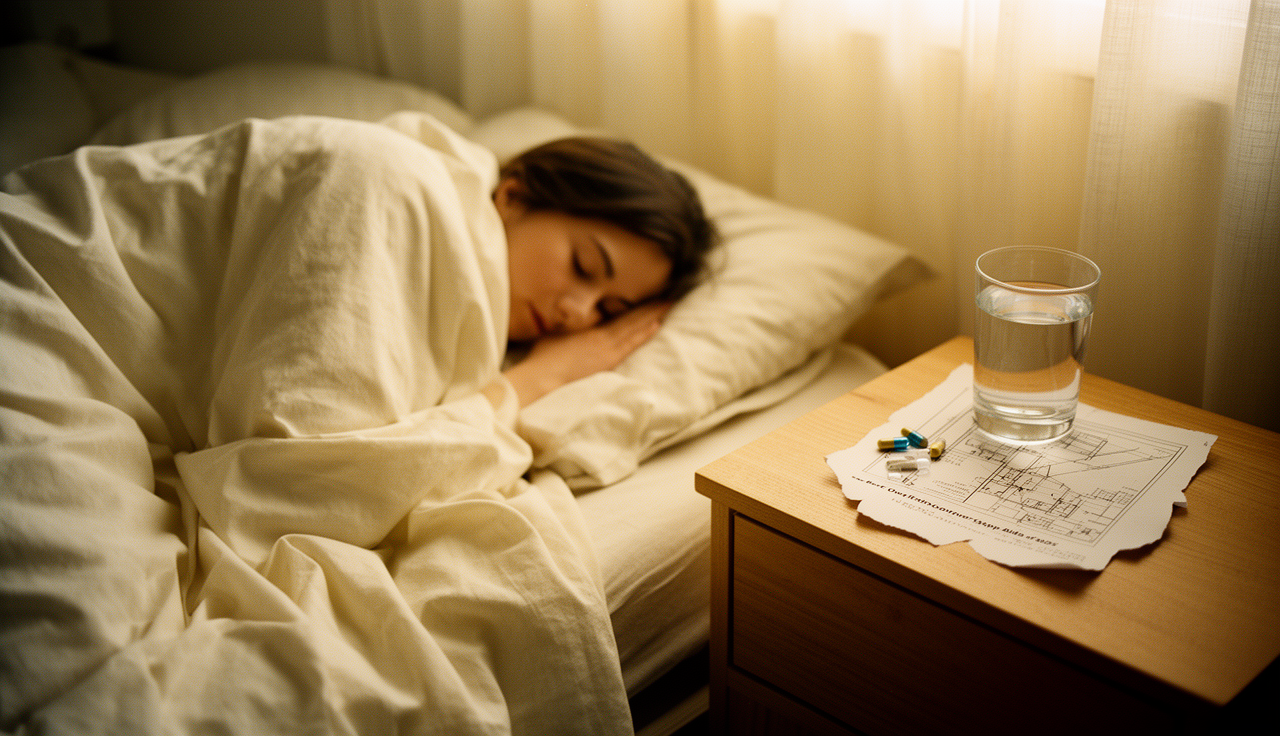
When we talk about a “High Lifestyle ROI,” sleep is the undisputed champion. It is the foundation of digital wellness, home optimization, and simply being a kind human. But in 2025, the market for over-the-counter (OTC) sleep aids has exploded into a confusing mix of old-school antihistamines, trendy “sleep drinks,” and complex botanical stacks.
I’ve spent the last few months digging into the latest research and testing these solutions to create what I call the Clinician’s Blueprint. We aren’t just looking for a way to “knock you out.” We’re looking for a safe, intentional way to bridge the gap during stressful seasons so you can return to your natural rhythm.
The 2-Week Rule: Why Most Sleep Aid Guides Are Wrong
Here is the thing about OTC sleep aids: they are meant to be a tool, not a crutch. I see so many guides recommending daily supplements without mentioning that your brain is incredibly good at adapting. If you use certain aids every single night, you aren’t just solving a problem; you might be creating a new one called “rebound insomnia.”
Most experts, including the team at the Mayo Clinic, emphasize that non-prescription sleep aids are temporary fixes [5]. If you find yourself reaching for a bottle for more than 14 nights in a row, your body is likely signaling an underlying issue that a pill can’t fix [4]. Furthermore, we have to be mindful of who is taking these. The Beers Criteria, a critical guideline for medication safety, explicitly warns older adults to avoid first-generation antihistamines due to their “anticholinergic” effects—which is a fancy way of saying they can cause confusion, dizziness, and an increased risk of falls [6].
Quick Picks: The Best OTC Sleep Aids of 2025 at a Glance
If you’re in the middle of a “Sunday Reset” and just want the highlights, here is how the top contenders for 2025 stack up.
- Best Overall for Occasional Insomnia: Unisom SleepTabs (Doxylamine Succinate)
- Best Science-Backed Blend (Melatonin-Free): Innerbody Sleep Support
- Best for Stress-Related Wakefulness: Ritual BioSeries Stress Relief
- Best for Long-Term Muscle Relaxation: Micro Ingredients Magnesium Glycinate
- Best Budget Pick: Generic Diphenhydramine (ZzzQuil equivalent)
Comparison Matrix: Onset, Duration, and Hangover Risk
| Product Type | Active Ingredient | Onset Time | Duration | Grogginess Risk |
|---|---|---|---|---|
| Antihistamine | Doxylamine | 30-60 mins | 7-8 hours | High |
| Hormonal | Melatonin | 30-60 mins | 4-6 hours | Low/Medium |
| Mineral | Magnesium | 1-2 hours | N/A | Very Low |
| Botanical | L-Theanine/Valerian | 40-60 mins | Variable | Low |
Deep Dive: The Ingredients That Actually Work (And the Science Behind Them)
Optimization starts with understanding the “why” behind the “what.” In my journey to find the best sleep solutions, I realized we have to distinguish between sedation (being knocked out) and sleep architecture (the quality of your REM and deep sleep).
The Heavy Hitters: Diphenhydramine vs. Doxylamine
These are the traditional “sleepy” ingredients found in ZzzQuil and Unisom. They work by blocking histamine, a chemical in your brain that keeps you alert. However, they have a long “half-life.” According to CDC and NIOSH data, these can cause significant next-day impairment, especially for those who need to be sharp at work or behind the wheel [3].
The Modern Stack: Melatonin, Magnesium, and L-Theanine
What surprised me during my research was the power of the “synergy stack.” A randomized controlled trial published in the journal PMC found that a combination of 225mg of Magnesium and 5mg of Melatonin significantly improved sleep quality and morning alertness in older adults [9]. Magnesium, specifically in the glycinate form, helps regulate neurotransmitters that quiet the nervous system, while L-Theanine (an amino acid found in green tea) promotes relaxation without that heavy, drugged feeling.
Product Reviews: Tested and Vetted for 2025
I’ve put these products through my own “morning-after” grogginess test to see which ones actually deliver a High Lifestyle ROI.
Best for Fall-Asleep Speed: Unisom SleepTabs
Let’s be honest: sometimes you just need to stop the 2 AM brain-spin. I ignored this “old school” option for years, thinking newer meant better, but when I had a stretch of high-stress deadlines, I found that doxylamine succinate (the active ingredient here) was the only thing that reliably turned the lights off. It’s significantly more potent than the diphenhydramine found in many “PM” pain relievers.
Micro-Verdict: The “big guns” for those nights when your brain refuses to quit.
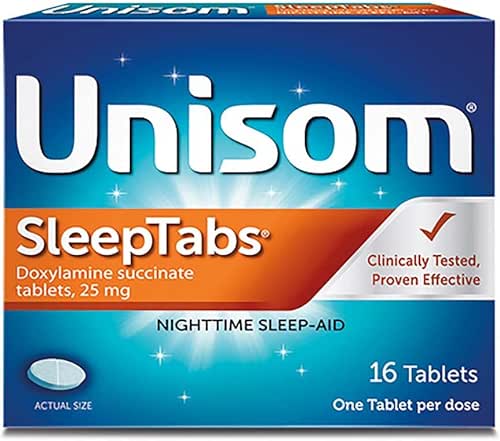

- Best For: Adults who need to fall asleep quickly during a temporary bout of acute insomnia.
Best Science-Backed Blend: Innerbody Sleep Support
You know that feeling when you’ve done everything right—yoga, no caffeine, dim lights—but your brain still feels like a browser with 40 tabs open? I discovered this blend while looking for a melatonin-free option that didn’t leave me feeling like a zombie. It uses a 14-ingredient stack including Saffron and Venetron, which Innerbody Labs has specifically vetted for their ability to support the body’s natural sleep-wake cycle without the hormonal interference of melatonin.
Micro-Verdict: A premium, melatonin-free powerhouse for the intentional sleeper.
- Best For: Wellness optimizers who want a sophisticated, multi-ingredient approach without hormones.
Best for Stress Relief: Ritual BioSeries Stress Relief
I’ll admit it—I was skeptical about “time-release” technology until I tried Ritual. If your problem isn’t falling asleep, but rather waking up at 4 AM with your heart racing about your to-do list, this is the one. It’s designed to release L-theanine and ashwagandha over an 8-hour period, essentially “drip-feeding” calm into your system while you rest.
Micro-Verdict: The ultimate “stay-asleep” solution for the chronic overthinker.
- Best For: Remote workers and high-achievers who struggle with middle-of-the-night stress spikes.
Best for Longevity & Health: Micro Ingredients Magnesium Glycinate
What finally clicked for me was realizing that my sleep issues were often just physical tension. I started incorporating this specific magnesium glycinate into my Sunday reset ritual. Unlike other forms of magnesium that can… well… upset your stomach, glycinate is highly absorbable and focuses on muscle relaxation. It doesn’t “knock you out”; it just makes the bed feel five times more comfortable.
Micro-Verdict: A foundational mineral that supports your body’s natural ability to unwind.
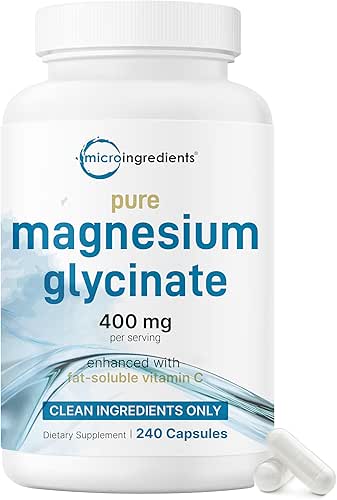
- Best For: Minimalists who prefer a single-ingredient, health-first approach to relaxation.
The Clinician’s Blueprint: Matching Your Symptom to the Solution
According to the Cleveland Clinic, “trouble sleeping” usually presents in three distinct ways [7]. Matching your specific struggle to the right aid is the key to avoiding unnecessary side effects.
- The Mind-Racer (Sleep Onset): If you lay in bed for hours waiting for the “click,” you need a short-acting aid like L-Theanine or a low-dose Melatonin (1-3mg) to signal to your brain that it’s time to transition.
- The Midnight-Waker (Sleep Maintenance): If you fall asleep fine but wake up at 3 AM, look for time-release formulas or Magnesium Glycinate, which helps maintain a calm nervous system throughout the night.
- The Early Awakener: If you’re wide awake at 5 AM and can’t get back to sleep, this is often a sign of circadian rhythm disruption or stress. Behavioral changes (like a sunrise alarm clock) often work better here than pills.
When to Stop the Pills: Red Flags and CBT-I
It’s okay if these aids don’t solve everything. In fact, for chronic insomnia, the American College of Physicians (ACP) recommends CBT-I (Cognitive Behavioral Therapy for Insomnia) as the first-line treatment—not medication [1]. CBT-I helps you rewire the thoughts and behaviors that keep you awake.
Here are the “Red Flags” that mean it’s time to see a specialist:
- You’ve been using OTC aids for more than two weeks with no improvement.
- Your partner mentions you snore loudly or gasp for air (potential Sleep Apnea).
- You have an uncontrollable urge to move your legs (Restless Leg Syndrome).
- You experience extreme daytime sleepiness that interferes with your safety [8].
Common Questions (FAQs)
Can I take OTC sleep aids every night?
The short answer is no. Most OTC aids, especially antihistamines, lead to a rapid buildup of tolerance. You’ll find you need more to get the same effect, and stopping can cause “rebound insomnia,” where your sleep is worse than before you started.
What is the safest sleep aid for older adults?
Because of the risk of confusion and falls associated with antihistamines (like Benadryl or Unisom), older adults should generally stick to non-drug options. Magnesium or very low-dose Melatonin (under 1mg) are often safer choices, but always check with your doctor first.
Why do some sleep aids make me feel hungover the next day?
This usually comes down to “half-life.” Ingredients like doxylamine stay in your system for a long time. If you take them at midnight and try to wake up at 6 AM, you still have a significant amount of the drug active in your brain.
Selecting the right sleep aid is about more than just finding a “quick fix”—it’s about choosing the tool that best supports your body’s natural wisdom. Whether you’re reaching for a science-backed blend or a simple mineral supplement, remember that the goal is always a High Lifestyle ROI: waking up feeling like the best version of yourself.
Let’s make every day a little better, together.
Disclaimer: I am a lifestyle curator and optimization enthusiast, not a doctor. This content is for educational purposes only. Always consult with a healthcare professional before starting any new supplement, especially if you have underlying health conditions or are taking other medications.
Sources & Further Reading
- American College of Physicians (ACP). (2016). Management of Chronic Insomnia Disorder in Adults: A Clinical Practice Guideline. Annals of Internal Medicine.
- U.S. News & World Report. (2025). Best Over-the-Counter Sleep Aids Rankings. Source
- CDC / NIOSH. (2025). Long Hours and Pharmaceutical Sleep Aids for Nurses and Healthcare Workers. Source
- Healthline. (2025). 10 Natural Sleep Aids for Better Sleep. Source
- Mayo Clinic. (2022). Sleep aids: Understand options sold without a prescription. Source
- American Geriatrics Society. (2023). AGS Beers Criteria® for Potentially Inappropriate Medication Use in Older Adults.
- Cleveland Clinic. (2024). Insomnia: Causes, Symptoms, and Treatment. Source
- Johns Hopkins Medicine. (2025). Sleep Deprivation and Its Effects on Health. Source
- PMC. (2021). The effect of magnesium, melatonin, and vitamin B complex on sleep quality: A randomized control trial. Journal of Clinical Sleep Medicine. Source