Lately, though, I’ve been hearing from more and more friends who are “doing everything right” but still waking up exhausted. They’re hitting the farmers market for organic greens and keeping their spaces calm and intentional, yet they feel like they’re running on empty. Often, the culprit is a silent one.
Here’s the thing that stopped me in my tracks: up to 80% of moderate to severe sleep apnea cases remain undiagnosed [1]. We’re walking around with a massive health gap because traditional sleep studies are, let’s be honest, a total chore to schedule and sit through.
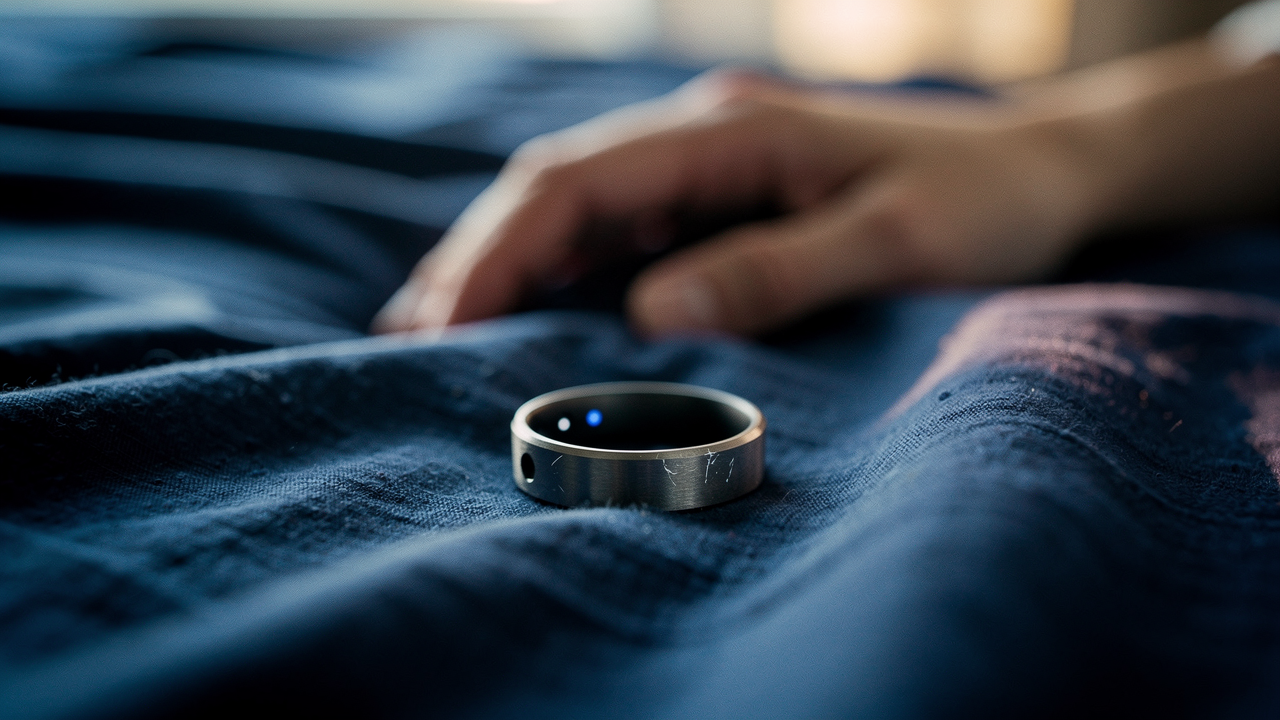
That’s why I was so intrigued by the buzz around the RingConn Gen 2. It’s a sleek smart ring that claims to monitor sleep apnea risk directly from your finger—and it’s currently $60 off. But before you jump on the deal, we need to talk about what this tech can (and can’t) actually do for your health.
The 80% Problem: Why Undiagnosed Sleep Apnea is a Silent Threat
We often joke about “sawing logs,” but loud snoring is more than just a bedroom nuisance. Undiagnosed sleep apnea is a legitimate medical concern that acts like a slow-motion tax on your cardiovascular system. According to the team at Johns Hopkins Medicine, untreated apnea is directly linked to an increased risk of hypertension, heart disease, and stroke [2].
What makes it so tricky is that the symptoms can feel like “just being busy.” You might have a morning headache, or find yourself getting up several times a night (nocturia), or simply feel a crushing sense of daytime fatigue [3].
What finally clicked for me was realizing that most of us don’t need a $2,000 lab study right away—we need a better smoke detector. We need a way to see if our oxygen levels are dipping while we dream. This is where wearable health monitors are changing the game, moving from simple step-counters to sophisticated screening tools.
Meet the RingConn Gen 2: Can a Ring Really Detect Apnea?
I’ll admit it—I was skeptical at first. How can a tiny piece of titanium on your finger do the job of a room full of hospital sensors? The secret lies in the PPG (photoplethysmography) sensors and SpO2 tracking. By shining light through your skin, the ring monitors your blood oxygen saturation and heart rate variability to infer respiratory effort.
For years, I struggled with “tracker fatigue”—those bulky watches that snag on my knit blankets and glow in the dark when I move. I wanted something that fit into a quiet, intentional evening routine without feeling like a piece of sports equipment. When I discovered how far smart ring technology had come, it felt like the missing piece for my nightstand reset.
The RingConn Gen 2 specifically caught my eye because it markets a 90.7% accuracy rate for detecting obstructive sleep apnea [4]. Now, full disclosure: that number comes from their internal lab testing, not an independent peer-reviewed study, but it’s a significant benchmark for a consumer device that weighs only 2 grams.
Micro-Verdict: A featherweight powerhouse that offers the most discreet way to keep an eye on your overnight oxygen levels.


The ‘No Subscription’ Advantage
Here is where the “High Lifestyle ROI” really kicks in. Most of the big names in the smart ring world (I’m looking at you, Oura) require a monthly subscription to see your own data. To me, that doesn’t spark joy—it sparks a recurring bill.
The RingConn Gen 2 is subscription-free. Once you buy the ring, you own the insights. For someone who values sustainability and long-term value, this is a massive win. You get 10–12 days of battery life on a single charge, which means you aren’t tethered to a charging cable every other night.
Consumer Rings vs. Medical Screening: Know the Difference
It is so important to be honest here: there is a clear line between a wellness tracker and a medical diagnostic tool. If your ring flags a “high risk” for apnea, it isn’t a diagnosis—it’s a signal to call your doctor.
If you need a formal home sleep apnea test to get a CPAP prescription, you’ll likely need something like the WatchPAT One, which has an 89% correlation to professional in-lab polysomnography (PSG) [5].
To help you decide which path is right for your Sunday reset, here is how the options stack up:
- The Smart Ring (RingConn): Best for long-term “smoke detection” and general wellness trends. No prescription needed.
- The Medical Home Test (WatchPAT): Best if you have clear symptoms and need a clinical diagnosis. Usually single-use or prescription-based.
- The In-Lab Study (PSG): The gold standard. Necessary for complex cases or if home tests are inconclusive.
Lifestyle ROI: Is the $60 Discount Worth It?
At the end of the day, a product only has a high ROI if you actually use it. I’ve seen so many people buy gadgets only to have them end up in a junk drawer because they were too “loud” or complicated.
What I love about the current trend in wearable health technology is the shift toward “invisible” data. You put the ring on, you live your life, and the app gives you a gentle nudge if something looks off. However, we do have to be careful about “orthosomnia”—that’s the anxiety some people get from obsessing over their sleep scores [6]. My advice? Look at the weekly trends, not the nightly fluctuations.
Choosing Your Setup
Depending on how you live and work, your needs for a wearable health monitor might change. Here’s how I’d segment the “Best For” categories:
The Minimalist Wellness Seeker
You want the data without the clutter or the glowing screens. You value a calm, analog-feeling environment.
- Essential: RingConn Gen 2 (for the $60 off value and no-subscription model)
- Essential: A silk sleep mask to protect your circadian rhythm
- Pro Upgrade: A dedicated charging tray to keep your nightstand intentional
The High-Performance Optimizer
You’re tracking everything from HRV to recovery scores and need clinical-adjacent data.
- Essential: A multi-sensor smart ring for 24/7 monitoring
- Essential: An FDA-cleared home sleep test if you suspect chronic issues
- Pro Upgrade: A cooling mattress topper to optimize deep sleep stages
Frequently Asked Questions About Sleep Apnea Trackers
Can I use my smart ring results to get a CPAP machine?
In most cases, no. While the RingConn provides incredible data, most insurance companies and doctors require a validated home sleep apnea test (like WatchPAT) or a lab study to issue a prescription. Think of the ring as the “check engine light” that tells you it’s time to see the mechanic.
How accurate are these sensors on different skin tones?
This is a great question. Most wearables use PPG sensors (green or red light). While technology is improving, some studies have shown that darker skin tones can occasionally affect the accuracy of optical heart rate and SpO2 sensors [7]. If you have concerns, look for devices that have been tested across diverse populations or consult a specialist.
Is it worth it if I don’t snore?
Absolutely. “Silent” apnea is a real thing. You might not be waking the house down with snoring, but you could still be experiencing micro-awakenings that ruin your poor sleep quality. If you wake up with a dry mouth or a headache, the data might surprise you.
Final Thoughts: A Bridge to a Better Life
The RingConn Gen 2 is a fantastic tool for screening and awareness, especially while that $60 discount is active. Is it a replacement for a doctor? No. But it is a beautiful, efficient bridge between “I feel tired” and “I have the data to start a conversation with my physician.”
Living well isn’t about having the most gadgets—it’s about having the right ones that support your flow. If you’ve been feeling off, this might be the most intentional $200 you spend on your home health this year.
Medical Disclaimer: I am a lifestyle curator, not a doctor. This device is for screening and wellness tracking only. It is not an FDA-cleared diagnostic tool. Always consult a board-certified sleep specialist for a formal diagnosis and treatment plan.
References & Clinical Sources
- American Academy of Sleep Medicine (AASM), 2024. Hidden Health Crisis: Undiagnosed Sleep Apnea. https://aasm.org/
- Johns Hopkins Medicine, 2025. The Dangers of Uncontrolled Sleep Apnea. https://www.hopkinsmedicine.org/health/wellness-and-prevention/the-dangers-of-uncontrolled-sleep-apnea
- Cleveland Clinic, 2025. Sleep Apnea Symptoms and Warning Signs. https://my.clevelandclinic.org/health/diseases/8718-sleep-apnea
- RingConn Technical White Paper, 2024. Gen 2 Sensor Accuracy and Sleep Apnea Monitoring Clinical Validation. https://ringconn.com/
- Lofta Clinical Data, 2024. WatchPAT One Correlation to PSG Standards. https://lofta.com/products/sleep-apnea-test
- UCLA Health, 2024. 7 Ways Wearable Technology Can Help You Reach Your Health Goals. https://www.uclahealth.org/news/article/7-ways-wearable-technology-can-help-you-reach-your-health
- npj Digital Medicine, 2024. The Impact of Skin Tone on PPG Sensor Accuracy in Wearables. https://www.nature.com/articles/s41746-024-01112-w