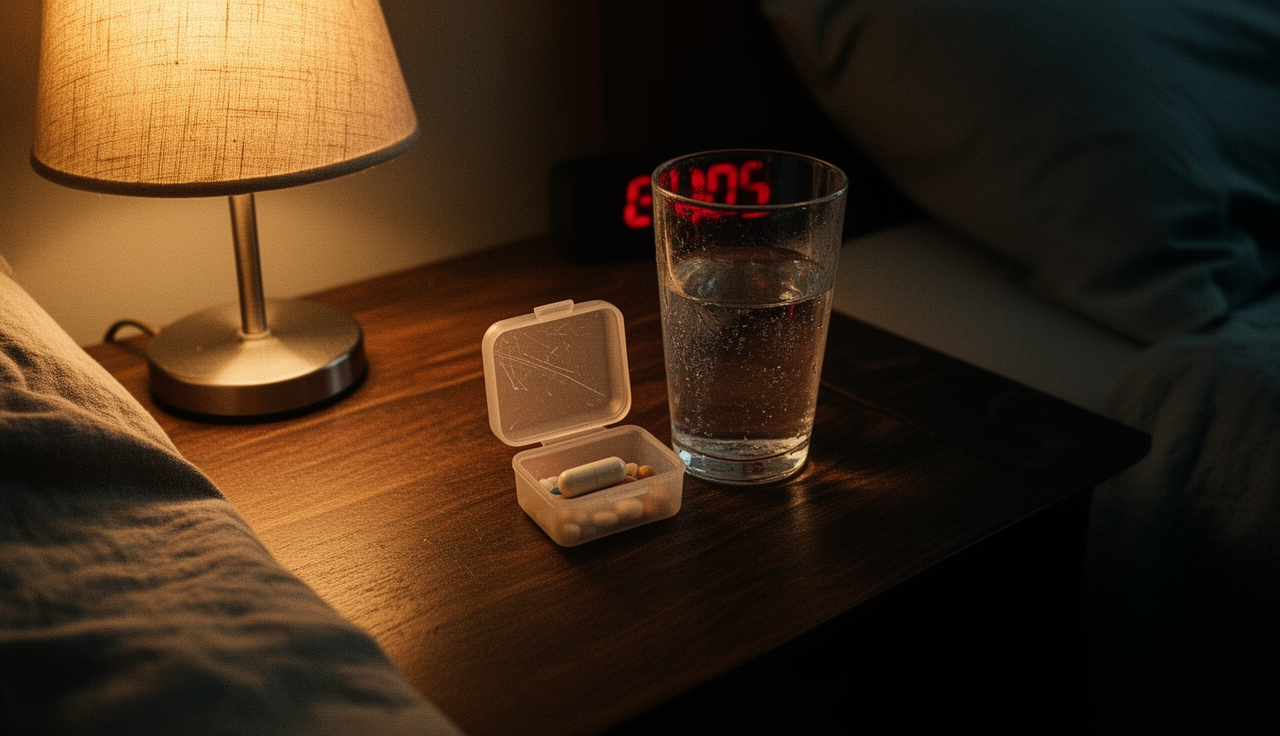
I’ve been there. During my first few years as a lifestyle curator, I thought “hustle” was a badge of honor, and sleep was just an inconvenience. I ended up in a cycle of “tired but wired,” reaching for whatever blue bottle was on the pharmacy shelf just to get a few hours of shut-eye.
But here’s what I’ve learned: living well isn’t about having more options; it’s about choosing better. In the world of “High Lifestyle ROI,” sleep is your greatest investment. If you don’t sleep, your yoga practice suffers, your focus at work disappears, and that sourdough starter in your kitchen? It’s definitely going to be forgotten.
Today, we’re looking at the best over-the-counter (OTC) sleep aids for 2026. We aren’t just looking for a “knockout” pill. We’re looking for restorative rest that leaves you feeling clear-headed and ready for a Sunday reset, not like you’re walking through a fog.
The Sleep Aid Hierarchy: Why Most People Start at the Wrong End
Before we dive into the bottles, let’s talk about the foundation. In my house, we treat sleep like a building. Most people try to put the roof (the pills) on before they’ve even poured the concrete.
Research shows that chronic insomnia—which affects roughly 10% to 20% of us—isn’t usually solved by a pill alone [1]. In fact, the American Academy of Sleep Medicine (AASM) is very clear: Cognitive Behavioral Therapy for Insomnia (CBT-I) should be the first-line treatment [2].
Think of OTC sleep aids as a temporary bridge, not a permanent home. They are fantastic for:
- Jet Lag: When your body thinks it’s 2 PM but the local clock says midnight.
- Acute Stress: That “night before the big move” jitters.
- Schedule Shifts: Trying to reset after a week of late-night projects.
If your trouble sleeping has lasted more than three weeks, it’s time to chat with a pro. But for those occasional “I just need to rest tonight” moments, let’s look at what actually works.
Best OTC Sleep Aids for 2026: Our Top Picks
I’ve spent the last year researching formulations, checking FDA monographs, and, yes, doing a little self-experimentation to see which of these deliver on their promises without the dreaded “sleep aid hangover.”
1. Best for Occasional Sleeplessness: Diphenhydramine
We’ve all been there—that specific type of frustration where your mind just won’t shut up, even though your body is begging for rest. I remember a particularly stressful week last spring when I was prepping for a wellness retreat. I tried every breathing exercise in my toolkit, but I was still staring at the ceiling. I needed something that worked fast, and that’s where diphenhydramine comes in.
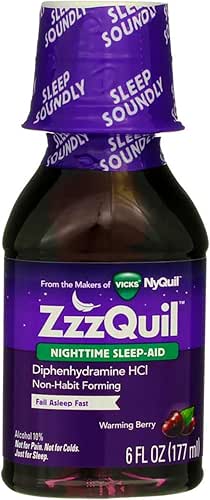
This is the active ingredient you’ll find in classics like Benadryl or ZzzQuil. It’s an H1-antagonist, which is a fancy way of saying it blocks the histamines that keep you alert. In my experience, it’s the most effective “shut-off switch” when you’re dealing with a one-off night of high arousal. The downside? It has a relatively long half-life, which means if you take it too late in the night, you might feel a bit groggy during your morning coffee.
Micro-Verdict: The reliable “break glass in case of emergency” option for a single night of guaranteed rest.

2. Best for Staying Asleep: Doxylamine Succinate
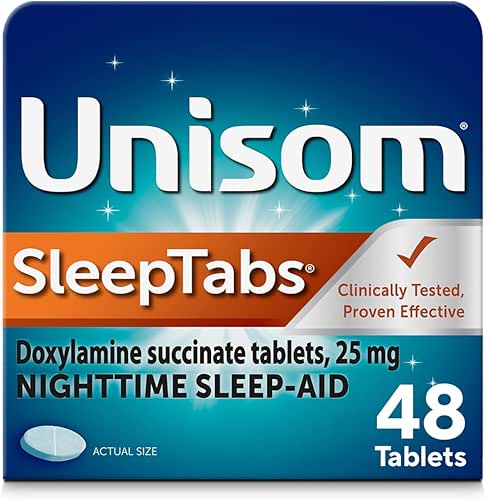
If your problem isn’t falling asleep but rather waking up at 2 AM and finding yourself unable to drift back off, doxylamine succinate is the more targeted choice. I discovered this while researching why some “PM” medications felt different than others. Doxylamine is actually a more potent antihistamine than diphenhydramine, and it tends to stay in your system just a bit longer [3].
When I tested this during a period of “maintenance insomnia” (where I kept waking up to check the weather for my morning hike), I found it provided a much deeper, more continuous sleep. However, the same caution applies: you need a full 8-hour window for this to clear your system. According to Mayo Clinic, it’s effective, but you have to be mindful of that next-day impairment.
Micro-Verdict: The heavy hitter for those who struggle with staying asleep throughout the entire night.
The Natural Contenders: Sleep Supplements Evidence-Graded
I’ll be honest: I prefer the natural route whenever possible. But “natural” doesn’t always mean “effective.” The supplement market is a bit like the Wild West, so I’ve graded these based on the actual clinical evidence available in 2026.
Melatonin: The Timing King
Melatonin is often misunderstood as a sedative. It isn’t. It’s a “darkness signal” for your brain. I used to make the mistake of taking 5mg or 10mg, which is actually way too much for most people and often leads to vivid, strange dreams. What finally clicked for me was the concept of micro-dosing.
Current research and NIH data suggest that for many, a dose as low as 0.3mg to 1mg is actually more effective for mimicking the body’s natural rhythm [4]. I started using a high-quality, low-dose melatonin about 90 minutes before bed when traveling back to Austin from the East Coast, and it completely eliminated my jet lag. It’s less about knocking you out and more about telling your body, “Hey, it’s time to start the wind-down.”
Micro-Verdict: The gold standard for resetting your internal clock and managing jet lag without the “drugged” feeling.
Magnesium Glycinate: The Relaxation Mineral
If your trouble sleeping feels more physical—like you can’t get your muscles to relax or you have that “restless” feeling in your legs—magnesium might be your missing piece. I started incorporating this into my routine after my yoga teacher mentioned it for recovery.
Specifically, you want magnesium glycinate (or bisglycinate). Other forms, like citrate, can have a laxative effect, which is the last thing you want when you’re trying to sleep. Glycinate is bound to glycine, an amino acid that has its own calming effects on the brain. It supports GABA, the neurotransmitter responsible for “quieting” the nervous system. It’s become a non-negotiable part of my Sunday reset ritual.
Micro-Verdict: The gentle, long-term support for physical relaxation and calming a racing mind.
Safety First: When OTC Aids Become Risky
We have to be honest: just because you can buy it at the grocery store doesn’t mean it’s risk-free. Using these aids every night can lead to tolerance, meaning you’ll need more and more to get the same effect.
Here is my “Red Flag” checklist. If you experience these, put the bottle down and call your doctor:
- Breathing Pauses: If a partner tells you that you gasp or stop breathing in your sleep (this could be Sleep Apnea).
- Restless Legs: An irresistible urge to move your legs that gets worse at night.
- Duration: You’ve been using an aid for more than two weeks straight.
- Age Concerns: If you are over 65, the American Geriatrics Society warns that antihistamines (like Benadryl or Unisom) significantly increase the risk of falls and confusion [5].
Jordan’s Optimization Toolkit: The Non-Pill Sleep Stack
For me, the best sleep aid is the one I don’t have to take. I’ve spent years tweaking my environment to ensure my “Lifestyle ROI” is as high as possible. When your space supports you, your body knows what to do.
The Restorative Bedroom Loadout
- Temperature Control: Keep your room at 65°F (18°C). Clinical studies show this is the optimal temperature for deep sleep [6].
- Light Hygiene: I use amber-toned salt lamps in the evening and dim the overhead lights at least two hours before bed.
- Carb Timing: I love a small piece of sourdough toast an hour before bed. A small amount of complex carbs can help with serotonin production, which eventually converts to melatonin [7].
- Weighted Blanket: For those nights when anxiety feels like a physical weight, a 15lb blanket can provide “deep pressure touch” that calms the nervous system.
Which Sleep Aid Persona Are You?
The Occasional Overthinker
You sleep fine most nights, but a big meeting or a stressful event keeps you up occasionally.
- Essential: A bottle of Diphenhydramine for “emergency” use only.
- Pro Upgrade: A high-quality eye mask to block out all light.
- Routine: 10 minutes of journaling before bed to “dump” your thoughts onto paper.
The Frequent Traveler
You’re constantly switching time zones and your internal clock is confused.
- Essential: Micro-dose Melatonin (0.3mg – 1mg).
- Essential: Hydration salts (dehydration makes jet lag sleep worse).
- Pro Upgrade: Noise-canceling headphones for the flight and the hotel.
Creating a Calm, Intentional Night
At the end of the day, the goal of “Best Goods for Good Life” is to help you find tools that make your life easier, not more complicated. Whether you choose a micro-dose of melatonin or a warm magnesium drink, remember that these are just tools to help you get back to your natural state of rest.
Start with your environment. Lower the lights, put the phone in another room (I know, it’s hard!), and maybe try that piece of sourdough toast. If you still find yourself staring at 3:14 AM, use the aids we discussed responsibly and for the short term.
You deserve to wake up feeling like yourself. Let’s make tonight the night the cycle finally breaks.
Medical Disclaimer: I am an optimization enthusiast and lifestyle curator, not a doctor. This guide is for informational purposes. Over-the-counter sleep aids are intended for short-term use (less than two weeks). If you have chronic health conditions, are pregnant, or your insomnia persists for more than three weeks, please consult a board-certified sleep specialist or your primary care provider.
Scientific References & Sources
- American Academy of Sleep Medicine. (2021). Insomnia Prevalence and Impact. [AASM.org]
- Edinger, J. D., et al. (2020). Behavioral and Psychological Treatments for Chronic Insomnia Disorder in Adults: An American Academy of Sleep Medicine Clinical Practice Guideline. Journal of Clinical Sleep Medicine.
- Mayo Clinic Staff. (2024). Sleep aids: Understand over-the-counter options. MayoClinic.org
- National Center for Complementary and Integrative Health (NCCIH). (2023). Melatonin: What You Need To Know. [NIH.gov]
- American Geriatrics Society. (2023). Beers Criteria® for Potentially Inappropriate Medication Use in Older Adults.
- Onen, S. H., et al. (2022). The effects of ambient temperature on human sleep. Journal of Thermal Biology.
- Centers for Disease Control and Prevention. (2025). Sleep and Chronic Disease. CDC.gov