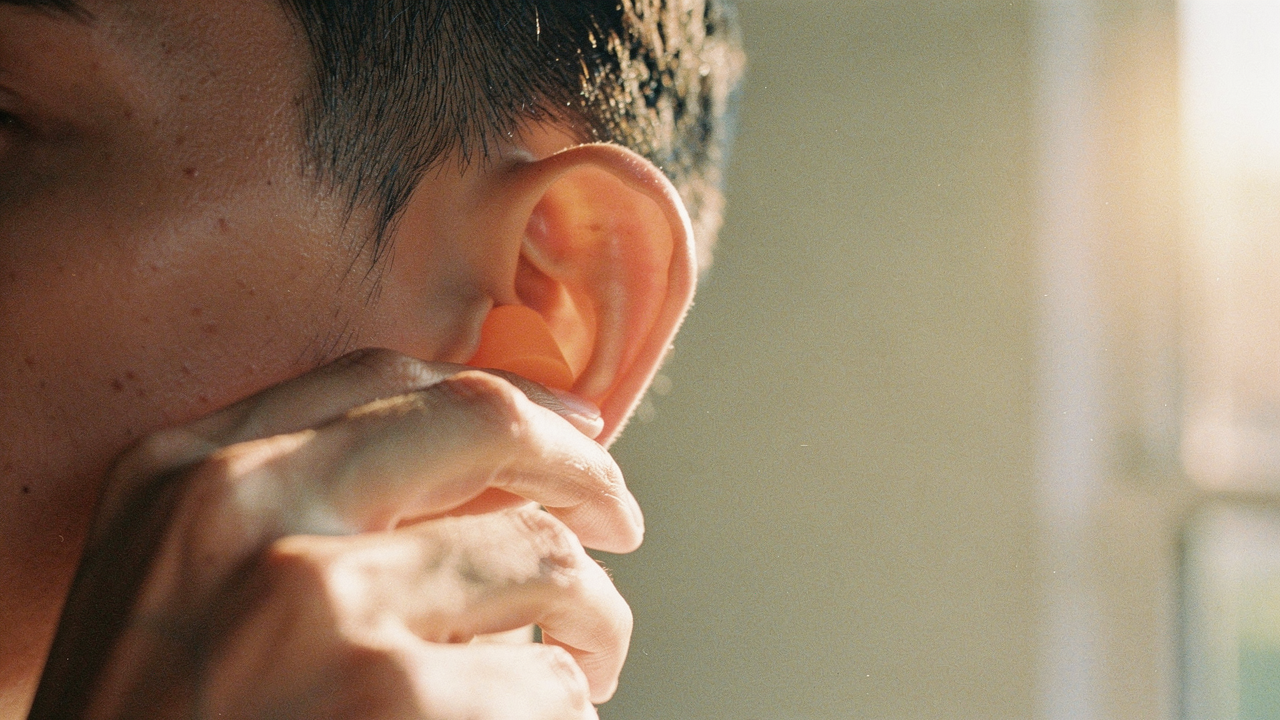
But as I’ve leaned deeper into my journey of home optimization and wellness, I’ve realized that hearing isn’t just a sense; it’s a finite resource. Once those delicate hair cells in your inner ear are damaged, they don’t grow back. Protecting them is the ultimate “High Lifestyle ROI” move. Investing $20 in a pair of high-quality earplugs today can literally save you $5,000 in hearing aid costs and a lifetime of “What did you say?” tomorrow.
The problem? Most of us grew up with those itchy, orange foam plugs that make everything sound like you’re underwater. It’s 2026, and the tech has evolved. We now have filtered plugs that keep the music crisp and sleep plugs so soft you’ll forget they’re there. This guide is my “Decibels to Decisions” framework to help you choose the right protection for your specific life, grounded in the latest audiology science.
The Optimization Geek’s Quick Picks (At a Glance)
Before we dive into the “why,” here is the “what.” These are the curated winners that have passed my “Good Life Test” for efficiency, durability, and joy.
- Best for Industrial/DIY Work: 3M Peltor Sport Quick Latch (High NRR foam for maximum blockage)
- Best for Concerts & Festivals: Loop Experience Plus (Filtered sound that keeps the “vibe” without the damage)
- Best for Sleep & Travel: Happy Ears (Discreet, reusable, and side-sleeper friendly)
- Best for Power Users: Custom-Molded Silicone (Professional-grade protection tailored to your ear canal)
Why Your Ears Need an Optimization Strategy (The Science)
Let’s be honest: most of us ignore noise until it’s a problem. But here’s the reality: noise-induced hearing loss (NIHL) is a cumulative game. Think of your hearing like a bank account. You’re born with a certain balance, and every time you’re exposed to sounds above 85 decibels (dB), you’re making a withdrawal [1].
The World Health Organization (WHO) currently estimates that over 1 billion young people are at risk of permanent hearing loss simply due to unsafe listening practices at venues and through headphones [3]. In the audiology world, we often look for the “4 kHz notch”—a specific dip in hearing sensitivity that signals years of noise exposure.
The most important rule to remember is the “3 dB Rule.” Occupational safety guidelines from NIOSH explain that for every 3 dB increase above 85 dB, the safe exposure time halves [1].
- 85 dB: 8 hours (Think: a busy Austin restaurant)
- 88 dB: 4 hours
- 91 dB: 2 hours
- 100 dB: 15 minutes (Think: a typical rock concert or a leaf blower)
When you understand that a single gunshot can reach 140 dB—causing immediate, permanent damage—you realize that “winging it” isn’t a strategy.
Decoding the Noise Reduction Rating (NRR): Real vs. Labeled Protection
When you’re shopping for noise reduction earplugs, the first thing you’ll see is the NRR. This number tells you how many decibels the plugs can block in a perfect laboratory setting. But here’s the thing: we don’t live in labs.
What surprised me during my research was how much the NRR is “derated” in the real world. OSHA suggests that for most people, you should take the NRR on the box, subtract 7, and then divide by 2 to get the actual protection you’re likely getting [2].
For example, if you bought a pair of foam plugs with an NRR of 33: (33 - 7) / 2 = 13 dB of actual reduction.
This is why fit is everything. A mediocre earplug that fits perfectly will always protect you better than a “pro-grade” plug that keeps falling out of your ear canal.
The Best Hearing Protection Earplugs for 2026: Detailed Reviews
Choosing the best earplugs isn’t about finding the highest number; it’s about matching the tool to the task. Here is what has worked for my routine and the scenarios I get asked about most.
Best for Industrial Work: Maximum Protection
Here’s the thing about DIY home projects or long days in a workshop: the noise is constant and aggressive. I ignored this for years while using my miter saw, thinking “it’s only one cut.” Then I noticed the temporary ringing lasted longer each time. I tried the cheap bulk bins of foam plugs, but they always felt like they were expanding too fast or scratching my ears.
What finally clicked for me was switching to high-NRR foam with a tapered design. When you’re dealing with 100dB+ environments, you need a physical barrier that seals the deal. I found that the 3M foam series provides that deep, “silent world” feeling that lets me focus on the task without the sensory overload.
Micro-Verdict: The gold standard for heavy-duty silence and industrial-grade safety.
- Best For: Construction workers, woodworkers, and anyone spending 8+ hours near heavy machinery.
Best for Concerts and Musicians: High-Fidelity Filters
You know that feeling when you’re at a live show, and the bass is so loud it feels like a physical wall? In the past, my only options were “suffer through it” or “wear foam plugs and hear a muffled version of my favorite band.” It felt like choosing between my health and my joy. I spent a whole summer testing different “musician” plugs at festivals, looking for something that didn’t ruin the acoustics.
The breakthrough came with filtered earplugs like the Loop Experience. Instead of just blocking the sound, they use a specialized acoustic channel and filter to reduce the volume equally across all frequencies. It’s like turning the volume knob down on the entire world while keeping the singer’s voice and the guitar riffs crystal clear. I’ve worn these through three-hour sets and walked out feeling like my ears were as fresh as when I walked in.
Micro-Verdict: A game-changer that preserves the “live” energy without the ear-splitting consequences.


- Best For: Concert-goers, bartenders in loud venues, and musicians who need to hear their own monitors.
Best for Sleep: All-Night Comfort
Let me be honest: I am a very light sleeper. Between the occasional Austin street noise and my partner’s rhythmic snoring, I used to wake up exhausted. I tried traditional earplugs, but as a side sleeper, they’d press into my ear canal and cause a dull ache by 3 AM. I was skeptical that anything could be comfortable enough to wear for eight hours straight.
What changed my “Sunday Reset” ritual was finding low-profile, soft silicone plugs. I discovered the Happy Ears brand through a Swedish design blog, and the “High Lifestyle ROI” was immediate. They have a tiny, oval shape that mimics the actual ear canal. Because they don’t stick out, I can press my head into my pillow without any pressure points. They don’t block 100% of the noise—which is actually a safety win, as I can still hear my alarm—but they turn the “roar” of life into a “whisper.”
Micro-Verdict: The ultimate minimalist solution for side sleepers who value restorative rest.
- Best For: Minimalists who hate clutter, frequent flyers, and side sleepers in noisy apartments.
How to Insert Earplugs Correctly: The ‘Push, Twist, Hold’ Method
Even the most expensive hearing protection earplugs are useless if they aren’t inserted correctly. I’ve seen so many people at concerts just “poke” the plug into their outer ear. That does almost nothing.
To get the full NRR protection, follow the technique recommended by NIOSH and the CDC [1]:
- Roll: For foam plugs, roll them into a very thin, crease-free cylinder.
- Pull: Reach over your head with the opposite hand and pull the top of your ear up and back. This straightens your ear canal.
- Insert: Slide the plug in and hold it with your finger for about 20-30 seconds while it expands.
- The Tug Test: Once expanded, give the plug a gentle tug. If it feels firm and doesn’t slide out, you’ve got a seal.
Maintenance and Hygiene: Keeping Your Reusables Safe
If you’ve invested in reusable earplugs for safety, you have to treat them like any other wellness tool—they need cleaning. Earwax buildup can not only degrade the acoustic filters but can also lead to painful ear infections.
Here is my simple maintenance routine:
- Daily: Wipe them down with a damp cloth or a specialized alcohol-free wipe after every use.
- Weekly: If they are silicone (and don’t have electronic components), wash them in warm, soapy water and let them air dry completely.
- Inspection: Check for “material fatigue.” If the silicone starts to feel sticky, hard, or shows cracks, it’s time to replace them. Most high-quality reusables last 6-12 months with proper care.
The Bottom Line for Your Ears
Choosing the right earplugs is an act of self-care. It’s about ensuring that twenty years from now, you can still hear the wind in the trees on a morning hike or the nuance in your favorite vinyl record.
If you’re just starting out, grab a “discovery pack” that offers different sizes. Our ear canals are as unique as our fingerprints, and finding that perfect fit is the first step toward a quieter, more intentional life.
Jordan’s Final ROI Tip: Keep a pair of filtered plugs on your keychain. You never know when a “quick coffee” will turn into a loud patio session, and your future self will thank you for being prepared.
Disclaimers & References
Disclaimer: This guide is for informational purposes and does not replace professional medical advice from an audiologist. Always consult a specialist if you experience persistent tinnitus or sudden hearing loss.
References
- NIOSH (2024). Criteria for a Recommended Standard: Occupational Noise Exposure. National Institute for Occupational Safety and Health. https://www.cdc.gov/niosh/topics/noise
- OSHA (2025). Hearing Protection – Limitation of NRR. Occupational Safety and Health Administration. https://www.osha.gov/noise
- World Health Organization (2025). World Report on Hearing. WHO. https://www.who.int/news-room/fact-sheets/detail/deafness-and-hearing-loss
- American Speech-Language-Hearing Association (2026). Protecting Your Hearing: Tips for Musicians and Concert-Goers. ASHA. https://www.asha.org/public/hearing/Noise-and-Hearing-Loss