=
As someone who obsesses over “Lifestyle ROI,” I view sleep as the ultimate investment. When you sleep well, your productivity, mood, and health pay massive dividends. When you don’t, everything else feels like an uphill climb in heavy boots. But here’s the thing: the sleep aid aisle is a confusing mess of marketing claims and “natural” promises that often leave us feeling more groggy than rested. I’ve spent the last few months testing the most popular options, diving into the 2025 clinical research, and building a “sleep stack” that actually works without making you feel like a zombie the next morning.
Is It Just a Bad Night or Something More? Understanding Sleep Problems
Before we reach for a bottle, we have to talk about what’s actually happening. There’s a big difference between “I had a late espresso and can’t shut my brain off” and a chronic sleep disorder.
According to the American Psychiatric Association (APA), chronic insomnia is defined by symptoms occurring at least three times a week for at least three months [1]. If you’re just dealing with a stressful week or a bit of jet lag, that’s “sleep-onset insomnia.” A key metric to watch, according to MedlinePlus, is how long it takes you to actually drift off; regularly taking more than 30 minutes to fall asleep is a signal that your sleep architecture needs some help [2].
I used to think I could just “power through” the occasional white night, but the reality is that trouble falling asleep often leads to a cycle of anxiety that makes the next night even worse. You can’t always “pill” your way out of a bad routine, but knowing when to use a tool—and which tool to use—is the first step toward reclaiming your mornings.
The 2025 Sleep ROI Framework: Behavioral First, Pills Last
In my home, we follow a tiered framework. We don’t break out the heavy hitters unless the foundations are solid. I call this the Sleep ROI Stack:
- Tier 1: The “Free” Optimization (Sleep Hygiene). This is your cool, dark room, no screens 60 minutes before bed, and a consistent wake-up time. It’s the highest ROI because it costs nothing and has zero side effects.
- Tier 2: Natural Supplements. These are the “gentle nudges” for your nervous system—think magnesium or L-theanine. They help create the conditions for sleep.
- Tier 3: OTC Pharmacological Aids. This is the “break glass in case of emergency” tier. These are antihistamine-based drugs meant for short-term, situational use.
Johns Hopkins Medicine is very clear on this: antihistamine-based products should ONLY be used for short-term support, like during a particularly stressful period or to reset after travel [3]. The Sleep Foundation also reminds us that even though these are over-the-counter, you should check with your doctor first, especially if you’re taking other medications [4].
Best OTC Sleep Aids for 2025: Tested and Categorized
I’ve tested dozens of combinations to find the ones that offer the best balance of “lights out” power and “clear head” mornings. Here are my top picks for 2025.
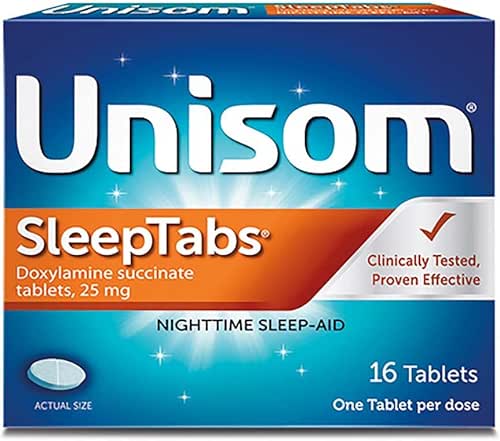
Best for Occasional Stress: Doxylamine Succinate (Unisom SleepTabs)
We’ve all had those nights where the “tired but wired” feeling is so intense that no amount of lavender oil is going to help. I hit this wall last year during a particularly chaotic move. I tried the usual herbal teas, but my brain was just spinning. I needed something that would actually quiet the noise so I could recover.
I did some digging into the US News rankings and found that Doxylamine Succinate is consistently rated as one of the most effective OTC sedatives [5]. Unlike some other antihistamines, this one felt “cleaner” to me in terms of how quickly it worked. It’s a heavy hitter, though. The first time I tried it, I made the mistake of taking it only seven hours before I had to be up. Big mistake. You need a solid 8–10 hour window, or you’ll feel that “medicated” fog the next day.
Micro-Verdict: The most reliable “lights-out” option for nights when your brain refuses to shut down.

Best for Jet Lag & Resetting Rhythms: Melatonin
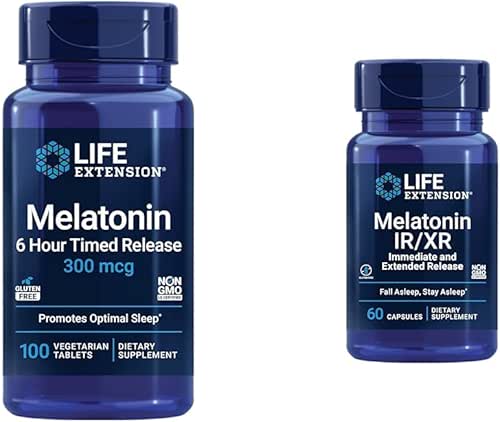
After a trip to Europe last spring, my internal clock was completely shattered. I was wide awake at 2 AM and crashing at 4 PM. I tried to just “tough it out,” but by day four, I was a ghost. I’d always been skeptical of melatonin because people tend to over-dose it, taking 10mg when the body only needs a fraction of that.
What finally clicked for me was the “less is more” approach supported by a 2022 Healthline summary, which noted that melatonin is particularly effective for resetting the circadian rhythm in older adults and travelers [6]. I switched to a high-quality, low-dose (1mg) version and took it exactly 30 minutes before my target bedtime. It didn’t “knock me out” like a drug; it just felt like a gentle hand on my shoulder saying, “It’s time to sleep now.” Research as far back as 2002 has confirmed its status as the gold standard for jet lag [6].
Micro-Verdict: Essential for travel or shift-work resets, provided you stick to low, sensible doses.
Best for Daily Foundations: Magnesium Glycinate
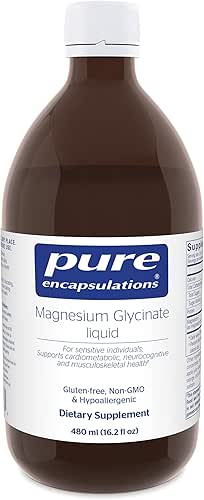
I’ll admit it—I was skeptical at first about magnesium. It felt too “basic” to be a real sleep solution. But after hearing so many people in the wellness community rave about it, I decided to make it part of my nightly ritual. I struggled with restless legs and a general sense of physical tension after my evening yoga sessions, and I wanted something that supported my body’s recovery without being a sedative.
The real win here was discovering Magnesium Glycinate specifically. As noted by ChandraMD, magnesium is foundational for brain health and relaxation [7]. It doesn’t force sleep; it just makes the body feel “quiet.” After two weeks of consistent use, I noticed I was waking up feeling significantly more refreshed. It’s become the “High-ROI” anchor of my evening routine because it supports my nervous system without any of the risks of habit-forming pills.
Micro-Verdict: The ultimate “no-hangover” foundation for physical relaxation and better sleep quality.
Natural Sleep Supplements: What Does the 2025 Science Say?
If you’re looking to build a “natural stack,” the science in 2025 is actually quite promising. We’re moving away from “mystery blends” and toward specific, studied compounds.
A major 2024 literature review in Psychiatry Investigation highlighted that several herbal supplements have legitimate clinical backing for improving sleep quality [8]. One of my favorite additions to a nightly routine is L-Theanine. Healthline reports that 200mg can promote relaxation without drowsiness [6]—making it perfect for that hour before bed when you want to unwind.
Another interesting find is Passionflower. A double-blind trial published in Phytotherapy Research found that passionflower tea significantly improved subjective sleep quality compared to a placebo [9]. It’s a great, low-stakes ritual for those who enjoy a warm cup of something before bed.
The “Calm Stack” Recommendation:
- Magnesium Glycinate (200-400mg): For physical relaxation.
- L-Theanine (200mg): To quiet mental chatter.
- Optional: Passionflower Tea: As a soothing sensory ritual.
The Optimization Geek’s Warning: The Risks of the ‘Quick Fix’
Here is the honest truth: OTC sleep medications like Benadryl (Diphenhydramine) or Unisom (Doxylamine) are not meant for every night. I call them “emergency tools” for a reason.
The biggest risk is tolerance. The Mayo Clinic notes that your body can become used to the sedative effects of antihistamines in as little as three to four days [10]. If you keep taking them, you’re getting all of the side effects with none of the benefits.
Even more concerning is the long-term data. Research published in JAMA Internal Medicine has shown a link between the heavy, cumulative use of anticholinergic drugs (which includes most OTC sleep aids) and an increased risk of dementia in older adults [11]. As someone who wants a “Good Life” for the long haul, this is a massive red flag. Use these tools sparingly, and always have an exit strategy to get back to natural sleep.
Beyond the Pill: Wearable Tech and CBT-I
If you’ve been struggling for more than a few months, it might be time to look beyond the pharmacy shelf.
One of the coolest developments in 2025 is the rise of device-based sleep aids. A study in the Scientific Reports (Nature portfolio) looked at the Earable wearable, which uses auditory stimulation to shorten the time it takes to fall asleep [12]. It’s a fascinating, non-drug way to “biohack” your sleep onset.
However, the “Gold Standard” for chronic insomnia remains CBT-I (Cognitive Behavioral Therapy for Insomnia). The American Academy of Sleep Medicine (AASM) recommends this as the first-line treatment—even before prescription meds. It helps you rewire the thoughts and behaviors that keep you awake in the first place.
Who benefits most from these?
- The Tech-Forward Optimizer: Those who want data-driven results using wearables like Earable or Oura.
- The Chronic Ceiling-Starer: Anyone who has struggled for 3+ months should prioritize CBT-I over any pill.
Creating Your High-ROI Rest
At the end of the day, a sleep aid is just a bridge. It’s there to help you get from a place of stress to a place of rest so you can show up as your best self the next day. My advice? Start with the “Free” tier. Get your room cold, put your phone in another room, and try some magnesium. If you’re in a period of high stress, keep some Unisom in the cabinet, but treat it like a powerful tool that requires respect.
Living well isn’t about having a cabinet full of supplements—it’s about choosing the few that actually make your life better. Here’s to better nights and even better mornings.
Medical Disclaimer: I am an optimization enthusiast and lifestyle curator, not a doctor. This content is for informational purposes only. Please consult a healthcare professional before starting any new supplement or medication, especially if you have chronic health conditions, are pregnant, or are experiencing long-term insomnia.
Sources & Scientific References
- American Psychiatric Association (2024). What are Sleep Disorders? https://www.psychiatry.org/patients-families/sleep-disorders/what-are-sleep-disorders
- MedlinePlus (2025). Sleep Disorders. https://medlineplus.gov/sleepdisorders.html
- Johns Hopkins Medicine (2024). Sleep Aids and Insomnia. https://www.hopkinsmedicine.org/health/wellness-and-prevention/sleep-aids
- Sleep Foundation (2025). Over-the-Counter Sleep Aids. https://www.sleepfoundation.org/sleep-aids/over-the-counter-sleep-aids
- US News & World Report (2025). Best OTC Sleep Aids Rankings. https://health.usnews.com/otc/rankings/sleep-aids
- Healthline (2022/2025). Natural Sleep Aids: Melatonin, L-Theanine and More. https://www.healthline.com/nutrition/sleep-aids
- ChandraMD (2024). Best Natural Sleep Aids and Magnesium Foundations. https://chandramd.com/best-natural-sleep-aids/
- Psychiatry Investigation (2024). Herbal and Natural Supplements for Improving Sleep: A Literature Review. DOI: 10.30773/pi.2024.0121.
- Phytotherapy Research (2011). A Double-blind, Placebo-controlled Investigation of the Effects of Passiflora incarnata (Passionflower) Herbal Tea on Subjective Sleep Quality. DOI: 10.1002/ptr.3400.
- Mayo Clinic (2025). Sleep aids: Understand options sold without a prescription. https://www.mayoclinic.org/healthy-lifestyle/adult-health/in-depth/sleep-aids/art-20047860
- JAMA Internal Medicine (2015). Cumulative Anticholinergic Exposure and Incident Dementia. https://jamanetwork.com/journals/jamainternalmedicine/fullarticle/2091745
- Scientific Reports (2023). Large-scale evaluation of a head-worn system for sleep onset latency reduction. DOI: 10.1038/s41598-023-43975-1.