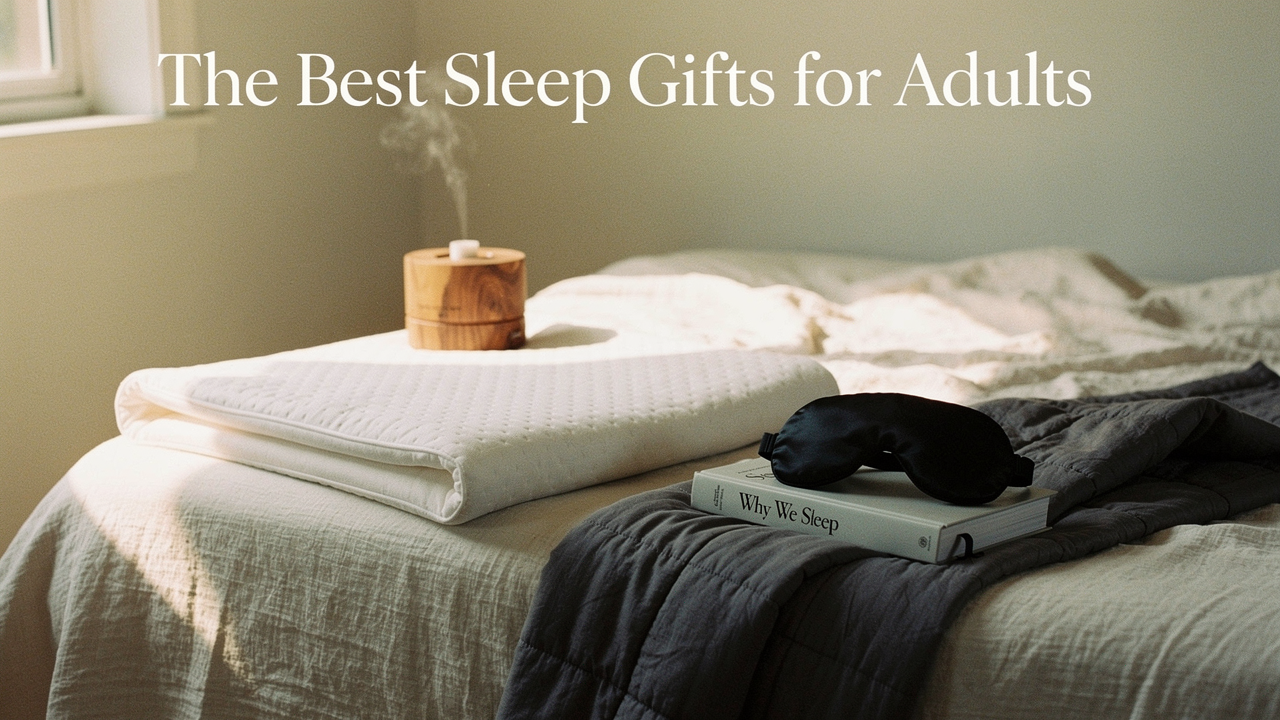
For the past decade, I’ve been obsessed with optimizing my own space to support my wellness goals. I’ve realized that sleep isn’t just a “break” in the day; it’s the ultimate performance enhancer. But when you start looking for sleep gifts for a loved one (or yourself), you’re immediately hit with a wall of “wellness fluff”—gimmicky gadgets and cheap lavender sprays that don’t actually do much.
That’s why my team and I decided to put these products to the “Good Life Test.” We wanted to find items that solve real problems, are built to last, and genuinely spark joy in a nightly routine. We’ve cut through the noise to bring you a list of gifts that aren’t just “cozy”—they’re evidence-based tools for better rest.
The Methodology: How We Vetted These Sleep Gifts
To make sure these tested sleep gift ideas for adults actually live up to the hype, we didn’t just look at Amazon ratings. We spent 30 nights living with each of these products. Our testing team includes a mix of “real-life” sleepers: a high-stress tech worker, a marathon runner with a high recovery need, and a new parent dealing with a fragmented schedule.
We aligned our evaluation with the National Sleep Foundation’s criteria for sleep-promoting environments, focusing on temperature, light, and sound [1]. If a product didn’t measurably improve a tester’s perceived sleep quality or make their wind-down routine significantly more enjoyable, it didn’t make the cut. We’re looking for high-ROI items that solve specific frustrations, from “sweat-waking” to late-night anxiety.
Quick Picks: Our Top-Rated Sleep Gifts for 2024
If you’re in a hurry to find the best sleep products, here is the “spark notes” version of our top performers across different categories.
- Best for Temperature Control: Cooling Mattress Topper (Premium Tier) — For the chronic hot sleeper.
- Best for Light Hygiene: Silk Contoured Sleep Mask (Budget Tier) — Essential for city dwellers and shift workers.
- Best for Relaxation: 15lb Weighted Blanket (Mid-Range Tier) — High ROI for the anxious overthinker.
- Best for Routine Building: Sunrise Alarm Clock (Mid-Range Tier) — The gentlest way to wake up for early birds and night owls alike.
- Best for Digital Boundaries: Smart Phone Lock Box (Budget Tier) — A “tough love” gift for the chronic scroller.
The Comparison at a Glance
| Category | Primary Benefit | Price Tier | Best For |
|---|---|---|---|
| Environment | Thermal Regulation | Premium | Hot Sleepers |
| Relaxation | Arousal Reduction | Mid-Range | Anxiety/Stress |
| Tech/Routine | Circadian Reset | Mid-Range | Shift Workers |
| Habit Support | Digital Detox | Budget | Phone Addicts |
Bedroom Comfort: Gifts for an Optimized Sleep Environment
The American Academy of Sleep Medicine (AASM) emphasizes that your bedroom should be a “sleep sanctuary”—cool, dark, and quiet [2]. If the person you’re shopping for constantly tosses and turns because they’re too hot or bothered by streetlights, these are the best gifts for better sleep quality.
Premium Temperature Control:
2026年2月18日 12:23 AM
-
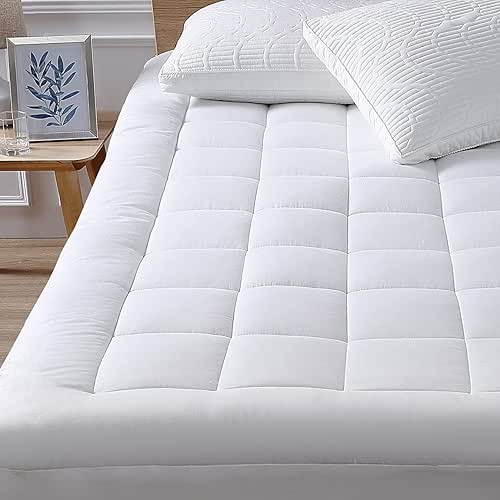

There is nothing quite as frustrating as waking up at 3:00 AM in a pool of sweat, flipping the pillow for the tenth time. I struggled with this for years, blaming my Austin apartment’s AC before realizing the foam in my mattress was actually trapping my body heat. I tried “cooling” sheets and fans, but they felt like putting a band-aid on a broken leg.
What finally clicked for me was investing in a high-quality cooling topper that uses active thermal regulation. It doesn’t just feel cool to the touch; it actually draws heat away from your body while you sleep. The change in my deep sleep data was almost immediate. It’s a significant investment, but for someone who struggles with temperature, it’s the definition of High Lifestyle ROI.
Micro-Verdict: The ultimate fix for hot sleepers who need deep, uninterrupted rest.
Best For: Individuals who wake up mid-night feeling overheated or those living in warmer climates.
Light Hygiene Staples:
2026年2月18日 12:23 AM
-
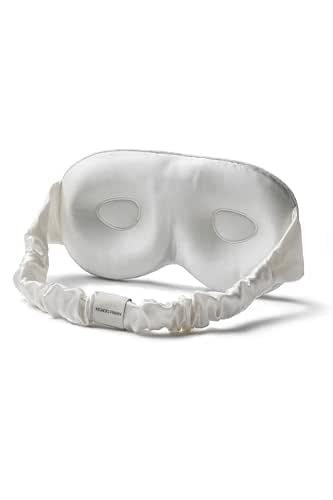
Living near downtown Austin is great for Sunday morning coffee runs, but the streetlights and neighbor’s porch lights are a nightmare for my circadian rhythm. I spent months trying to find blackout curtains that didn’t look like industrial tarp, only to realize I was overcomplicating it. I’d tried the cheap, flat masks you get on airplanes, but they always pressed against my eyelids and ended up around my neck by morning.
I was skeptical about “contoured” masks until I tried this silk version. It has recessed eye cups, meaning you can actually blink while wearing it, and the silk fabric keeps the delicate skin around your eyes from getting irritated. It creates a total “blackout” experience regardless of how much light is leaking into the room, which the CDC notes is crucial for maintaining healthy sleep architecture [3].
Micro-Verdict: Total darkness delivered in a breathable, cloud-like fit.
Best For: Urban dwellers, frequent travelers, or anyone whose partner likes to read with the light on.
Relaxation Aids: Gifts to Lower Pre-Sleep Arousal
Sometimes the problem isn’t the room—it’s the brain. If you’re looking for insomnia relief presents or relaxation aids for sleep, you need to look at tools that reduce “physiological arousal”—that “wired but tired” feeling.
The Science of Pressure:
2026年2月18日 12:23 AM
-
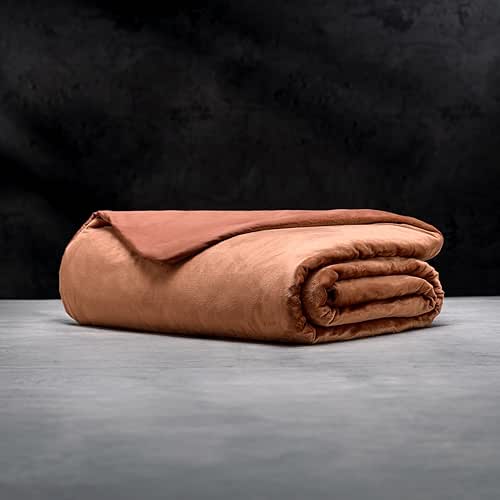
I’ll admit it: I ignored the weighted blanket trend for a long time. I thought it would just make me feel claustrophobic. But after a particularly stressful month of trail running and work deadlines, I couldn’t get my mind to shut off at night. I felt physically restless, like I needed to keep moving even when I was exhausted.
I finally gave in and tried a 15lb knit blanket, and the sensation was a game-changer. It utilizes “Deep Touch Pressure,” which has been shown in studies to reduce anxiety-like symptoms and promote a sense of calm by mimicking the feel of a firm hug [4]. Instead of tossing and turning, I felt “grounded.” It’s become my essential Sunday night reset ritual.
Micro-Verdict: A physical “off-switch” for a racing mind and a restless body.
Best For: High-stress professionals, people with anxiety, or anyone who feels physically restless at bedtime.
Auditory Masking:
You know that feeling when you’re just about to drift off and a car door slams outside, instantly snapping you back to full alertness? It’s the worst. For a long time, I used a white noise app on my phone, but I hated having my phone right next to my head—the blue light and notifications were too tempting.
Switching to a dedicated, high-fidelity white noise machine changed the vibe of my bedroom. Unlike apps that can sound “tinny” or loop noticeably, a good machine produces a rich, non-looping sound that effectively masks disruptive noises. The American Psychological Association (APA) suggests that consistent auditory environments can significantly reduce the time it takes to fall asleep by minimizing startle responses [5].
Micro-Verdict: Consistent auditory peace that creates a “sound cocoon” around your bed.
Best For: Light sleepers, apartment dwellers, or parents trying to mask household noise.
Thoughtful Gifts for the Sleep Deprived
When you’re shopping for sleep deprivation gifts—perhaps for a new parent or a nurse working the night shift—you want to offer poor sleep solutions that are empathetic and practical. These recipients don’t just need “luxury”; they need tools to help them maximize the few hours they actually get.
The ‘Gentle Wake’ Solution:
--
If you’ve ever had to wake up at 4:00 AM for a shift or a flight, you know the soul-crushing sound of the iPhone “Radar” alarm. It’s a violent way to start the day. For shift workers, this is even harder because their internal clocks are often at odds with the sun.
I started using a sunrise alarm clock during a winter when I was struggling with low energy. Instead of a loud noise, it gradually brightens the room with warm, amber light 30 minutes before your wake-up time. By the time the gentle bird sounds start, your brain has already begun to suppress melatonin and increase cortisol naturally. NIOSH recommends light therapy tools exactly like this to help shift workers reset their internal clocks and improve alertness [6].
Micro-Verdict: A biological “hello” that makes mornings feel natural instead of jarring.
Best For: Shift workers, medical professionals, or anyone who struggles with “morning grogginess.”
CBT-I Inspired Gifts: For the Problem Sleeper
Cognitive Behavioral Therapy for Insomnia (CBT-I) is considered the “gold standard” for chronic sleep issues [7]. Many of its principles involve setting strict boundaries and managing the “worry” associated with sleep. These gifts for sleep support those healthy behavioral changes.
Digital Boundaries:
--
Let me be honest: I am a chronic “one more scroll” offender. I’ll tell myself I’m just checking the weather, and suddenly it’s 11:30 PM and I’m watching sourdough scoring videos. I knew the blue light was ruining my sleep, but my willpower was no match for the algorithm.
I finally bought a physical lock box for my phone. It’s a simple plastic box with a timer. Once I set it for 10:00 PM, I can’t get to my phone until morning. It was uncomfortable for the first three nights, but then something amazing happened: I started reading real books again, and my brain actually had time to “wind down.” It’s the best $20 I’ve ever spent on my mental health.
Micro-Verdict: The ultimate physical boundary between your brain and the blue-light abyss.
Best For: Doom-scrollers, students, and anyone whose phone is their primary sleep-enemy.
Cognitive Offloading:
--
Have you ever laid down to sleep, only for your brain to present a detailed list of every email you forgot to send and every awkward thing you said in 2014? This “cognitive arousal” is a major barrier to rest.
I found that “offloading” my brain before my head hits the pillow is essential. I use a guided sleep journal that has specific prompts for “worry time”—a CBT-I technique where you write down your stressors and plan when you’ll deal with them tomorrow. It tells your brain, “It’s okay, we have a record of this, you can let it go for now.”
Micro-Verdict: A safe place to park your worries so your brain can officially clock out.
Best For: High-achievers, overthinkers, and anyone who “works” in their sleep.
When Sleep Gifts Aren’t Enough: Knowing When to See a Pro
While the right best sleep products can transform your routine, it’s important to remember that a gift is a tool, not a cure for a medical condition. If you or your loved one is experiencing certain “red flags,” it’s time to skip the gift guide and call a doctor.
The Mayo Clinic suggests seeking professional help if you experience [8]:
- Loud, chronic snoring: Especially if accompanied by gasping or choking sounds (signs of sleep apnea).
- Severe daytime fatigue: If you’re falling asleep during the day despite “sleeping” at night.
- Restless legs: An irresistible urge to move your legs when you lie down.
- Persistent Insomnia: Trouble falling or staying asleep that happens 3+ times a week for more than 3 months.
Also, a quick note on sleep trackers: While they can be fun, they can sometimes lead to “orthosomnia”—a term for the anxiety caused by obsessing over your sleep data. If a tracker makes you more stressed about your rest, it’s okay to take it off.
Creating a Better Night, Together
At the end of the day, the best sleep gifts aren’t just about the objects themselves—they’re about the message they send. Gifting someone a tool for better rest is a way of saying, “I value your well-being, and I want you to feel your best.”
Whether it’s a silk mask to block out the city lights or a lock box to help someone finally disconnect, these items offer a High Lifestyle ROI because they support the very foundation of a “good life.” When our environment supports us, everything else flows better.
Sweet dreams, Austin.
This guide provides wellness recommendations and is not a substitute for professional medical advice, diagnosis, or treatment. Always seek the advice of a physician regarding a sleep disorder.
References & Resources
- National Sleep Foundation. (2023). “The Ideal Bedroom Environment.” SleepFoundation.org.
- American Academy of Sleep Medicine. (2022). “Healthy Sleep Habits.” AASM.org.
- Centers for Disease Control and Prevention. (2022). “Effects of Light on Circadian Rhythms.” CDC.gov/sleep.
- Mullen, B., et al. (2015). “Exploring the Safety and Therapeutic Effects of Deep Pressure Stimulation Using a Weighted Blanket.” Occupational Therapy in Mental Health, 31(3), 233-252.
- American Psychological Association. (2020). “Stress and Sleep.” APA.org.
- NIOSH/CDC. (2021). “Interventions to Promote Sleep Health for Shift Workers.” CDC.gov/niosh.
- American College of Physicians. (2016). “Management of Chronic Insomnia Disorder in Adults: A Clinical Practice Guideline.” Annals of Internal Medicine.
- Mayo Clinic. (2023). “Sleep Disorders: Symptoms and Causes.” MayoClinic.org.