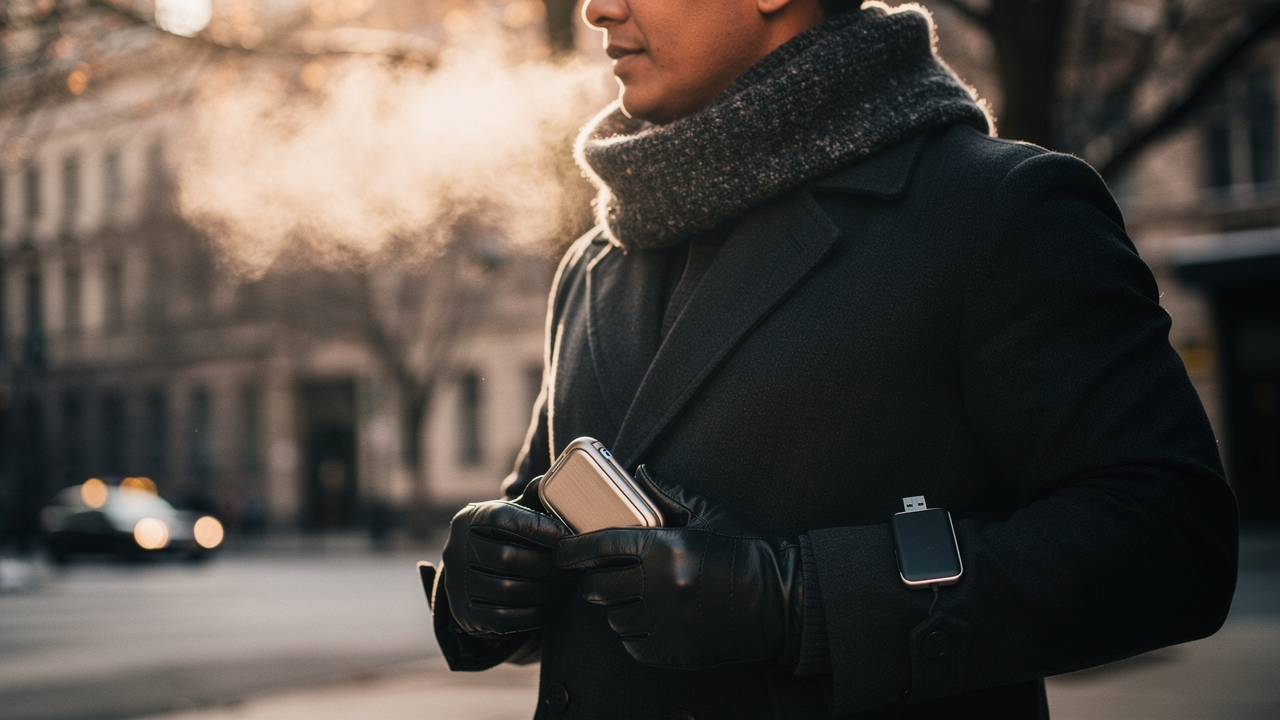
There is a specific kind of quiet frustration that sets in when you’re trying to proof sourdough in an Austin kitchen that’s stuck at 64 degrees because you’re too stubborn to crank the central heat. I’ve spent the last decade obsessing over “High Lifestyle ROI”—those intentional purchases that actually move the needle on your daily happiness without cluttering your life or draining your bank account.
Quick Answer: The 30-Second Strategy
If you want to beat the cold without the “bill shock,” follow the Heat the Person rule. Focus on localized, rechargeable gadgets like electric scarves and hand warmers for your commute, and a high-efficiency ceramic heater for your desk. By staying warm at the source, you can keep your thermostat lower and save significantly on monthly energy costs.
The High-ROI Philosophy: Heat the Person, Not the Room
Here’s the thing about our current winter reality: staying warm is getting expensive. According to the National Energy Assistance Directors’ Association (NEADA), the average U.S. household is expected to pay about $995 on home heating this winter—a 9.2% increase from last year [1]. If you use electric heat, that number jumps even higher.
Beyond the wallet, there’s the physical toll. It’s not just in your head—cold weather actually makes your body feel “tighter.” Experts at University of Utah Health note that cold temperatures can cause joint fluid to thicken, which is exactly why we feel that characteristic winter stiffness and discomfort [2].
What finally clicked for me was the concept of Micro-Heating. Instead of spending hundreds of dollars to warm up empty hallways and unoccupied guest rooms, I started investing in “High ROI” gadgets that deliver heat directly to my body. It’s more efficient, more effective, and honestly, a lot cozier.
The “Never Leave Home” Essentials: Wearable Heat Under $35
I’ll be honest: I used to be the person shivering at the Austin farmers market, clutching a lukewarm coffee like a lifeline. I tried the heavy wool layers, but they always felt bulky and never quite stopped that biting wind from hitting my neck. That was my daily reality until I discovered the magic of the heated scarf.
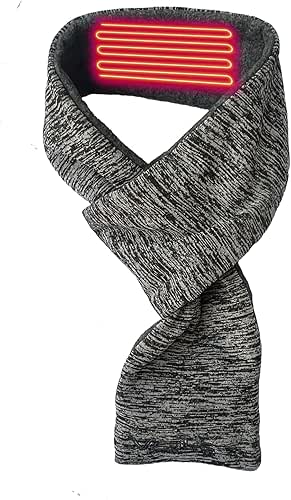
It looks like a standard, chic piece of winter gear, but tucked inside is a tiny, carbon-fiber heating element powered by a slim power bank. I was skeptical at first—would it feel like wearing a heating pad? What surprised me was how natural the warmth felt. It hits right at the base of your neck, which helps your whole body relax. Most of these hover around the $20 mark, making them one of the lowest-cost entries into heated gear I’ve found.
Micro-Verdict: A $20 insurance policy against the “winter shivers” during your morning commute.

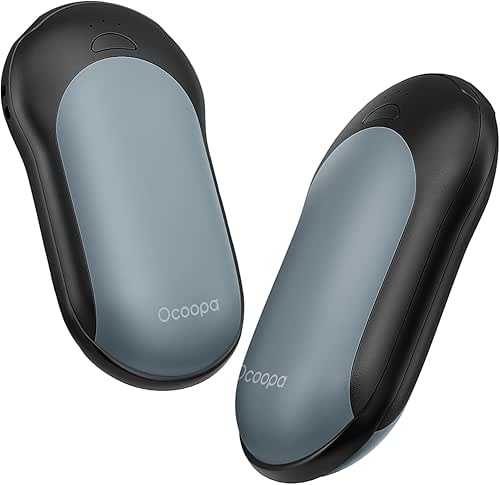
Then there’s the issue of frozen fingers. I’ve gone through countless boxes of those disposable chemical hand warmers over the years. Not only was the waste starting to bug me, but they were so inconsistent—either scalding hot or barely lukewarm. I started researching rechargeable alternatives and found that modern Li-ion warmers are a complete game-changer. Research shows these devices can reach a steady 130°F (54°C) and, if you keep them on the low setting, they can last through an entire day of errands or hiking [3].
Micro-Verdict: Ditch the disposables for a steady, 130-degree heat source that fits in your palm.
Desktop Comfort: Micro-Heating Your Home Office
If you’re a remote worker who spends 8+ hours at a desk, you know the struggle. Your core might be warm, but your hands become like ice blocks while typing. I ignored this for years, just “powering through” until I noticed my typing speed and focus were actually dropping because of the cold.
I tried a few different desk heaters, but most were either too loud for Zoom calls or smelled like burning plastic. What finally worked for me was the Vornado VH200. It’s a compact, energy-conscious heater that doesn’t just blast hot air; it circulates warmth throughout your immediate personal space. It’s specifically designed for that “heat the person” strategy, allowing you to stay perfectly comfortable while the rest of the house stays at a money-saving 65 degrees [4].
Micro-Verdict: The gold standard for quiet, energy-efficient warmth in a small home office.
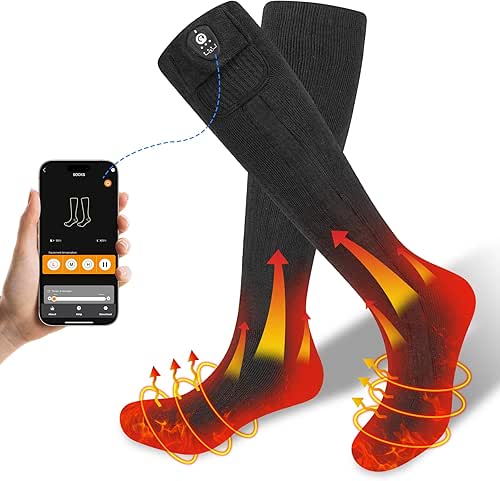
For the “always-cold” persona, I usually recommend pairing a desk heater with heated socks. If your feet are warm, your brain thinks your whole body is warm. I looked at the specs for Savior Heat, which is a benchmark in the industry, and their socks provide a range of 113°F to 140°F [5].
Micro-Verdict: The ultimate “Sunday reset” accessory for anyone with hardwood floors.
How to Buy “Cheap” Without Buying Junk: The Safety Checklist
I’m all about a good deal, but when it comes to things you plug in or wear against your skin, “cheap” shouldn’t mean “dangerous.” Here’s the thing: the market is flooded with generic brands. To make sure you’re getting a high-ROI product that won’t fail after three weeks, I follow a strict personal checklist.
- Look for the Mark: Only buy gadgets that carry the UL (Underwriters Laboratories) or ETL/Intertek certification marks. These mean the device has been independently tested for electrical safety.
- The “Frays” Check: Always inspect your heating elements and wires before use. If you see any fraying or the battery feels unusually hot, it’s time to recycle it.
- Check the Recalls: Before I buy a new brand, I do a quick 30-second search on the Consumer Product Safety Commission (CPSC) database to ensure there aren’t active recalls for fire hazards [6].
- Battery Hygiene: For rechargeable gear, don’t leave them charging overnight. Lithium-ion batteries prefer to be monitored.
Synergizing Gadgets with Home Efficiency
Let’s be real—all the heated gadgets in the world won’t help if your home is leaking air like a sieve. I think of these gadgets as the “Pro Upgrade” to a well-maintained space. You want to seal the home first, then heat the person.
According to the Department of Energy, simple DIY fixes like draft sealing and weatherstripping offer some of the highest ROIs for winter comfort [7]. If you’re a minimalist who hates clutter, start with a programmable thermostat. The experts at This Old House consistently point out that optimizing your “heat schedule” is the single most effective way to lower bills without thinking about it [8].
The Winter Warmth Loadouts
Depending on your lifestyle, your “kit” might look different. Here is how I suggest segmenting your gear:
The Urban Commuter
You spend 20–40 minutes outside or on public transit and need to look professional.
- Essential: A rechargeable heated scarf in a neutral color
- Essential: Slim, rechargeable hand warmers that fit in coat pockets
- Pro Upgrade: A heated vest liner that fits under your favorite wool coat
The WFH Minimalist
You work from a home office and want to keep the utility bill as low as possible.
- Essential: A Vornado VH200 for under-desk warmth
- Essential: Heated socks to combat cold floors
- Pro Upgrade: A heated desk mat to keep your wrists and hands limber while typing
Living well isn’t about having a house that’s a constant 75 degrees in January. It’s about choosing better tools to stay comfortable while staying intentional with your resources. Whether it’s that $20 scarf or a smart desk heater, these little optimizations allow you to enjoy the season rather than just enduring it.
Which cheap heated gadget is your “never leave home without” item? Let me know in the comments—I’m always looking for my next optimization!
Stay warm,
Jordan
Authoritative Resources & Citations
Affiliate Disclosure: This post contains affiliate links. If you purchase through these links, I may earn a small commission at no extra cost to you. I only recommend products I have researched or used in my own “Good Life” journey.
Safety Warning: Always follow manufacturer instructions. Never use heated wearables on infants, individuals with diminished skin sensitivity, or while sleeping unless the product is specifically rated for overnight use.
- NEADA (2024). Winter Heating Price Projections. National Energy Assistance Directors’ Association.
- University of Utah Health (2024). How to Prevent Aches and Pains During Cold Weather. University of Utah Health
- GearJunkie (2023). The Best Hand Warmers of 2024. GearJunkie
- PCWorld (2023). Work From Home Tech: Best Small Space Heaters.
- Savior Heat (2024). Technical Specifications for Electric Wearables.
- CPSC (2024). Consumer Product Safety Commission Recall Database. CPSC.gov
- U.S. Department of Energy (2023). Energy Saving Tips for Winter. Energy.gov
- This Old House (2023). How to Reduce Home Heating Costs. This Old House