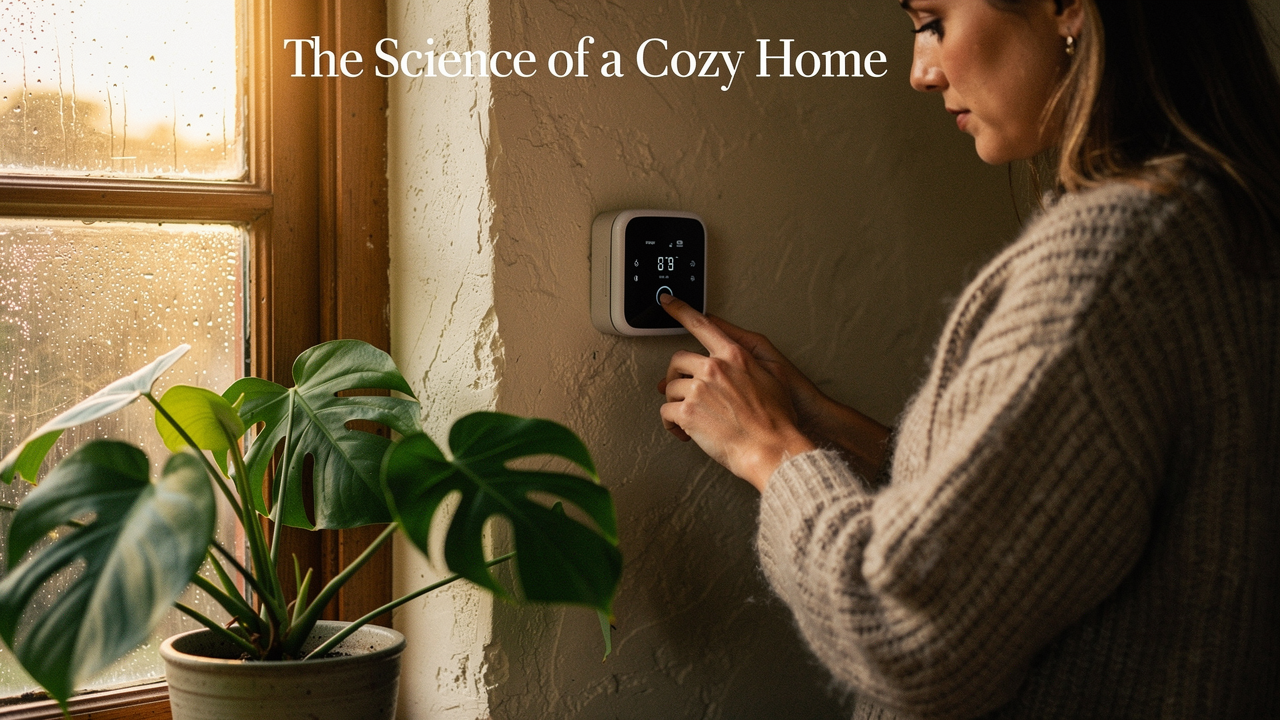
It is a frustration known to many homeowners: the “Thermostat Paradox.” You look at the digital display on the wall, and it clearly reads 72°F, yet you are sitting on the sofa with a blanket, shivering from a mysterious draft. This disconnect occurs because true home comfort is far more complex than a single number on a dial. In fact, research shows that residential HVAC systems account for more than 50% of a home’s power use, yet many houses remain fundamentally uncomfortable due to poor building science [1].
To solve this, we must look at the “Home Comfort Pyramid”—a holistic framework that balances four critical pillars: Temperature, Air Quality, Acoustics, and Ambiance. While many guides focus solely on “cozy home” decor, this guide bridges the gap between building science and design psychology. We will move beyond superficial throw blankets to provide science-backed, tiered solutions that address why your home feels “uncomfortable” at a fundamental level, helping you transform your living space into a high-performance sanctuary.
Quick Answer: Our Top 3 Picks at a Glance
For readers seeking immediate impact without a full diagnostic overhaul, these three tools address the most common failures in the Home Comfort Pyramid. Our selections are based on DOE efficiency standards and ASHRAE thermal comfort guidelines [2].
- For Temperature Stability:
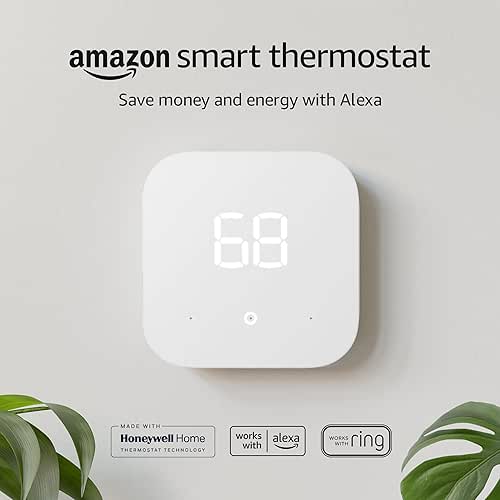
. Best for multi-story homes where “dead zones” are common. This is the gold standard for eliminating room-to-room temperature swings.
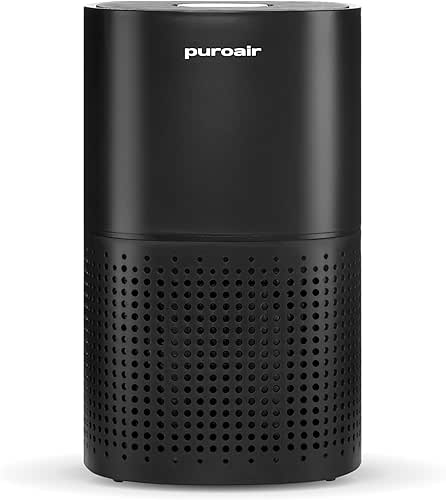
. Best for families with allergy sufferers. It provides the necessary air changes per hour (ACH) to keep indoor environments crisp and irritant-free.
. Best for reducing evening stress. These allow for the 2700K “warm” color temperature proven to lower perceived stress levels.
The Cold House: Fixing Temperature Imbalances and Drafts
A “cold house” is often the result of thermal instability rather than a failing furnace. Even with a high-end HVAC system, your home can feel miserable if the “building envelope”—the barrier between inside and out—is compromised. Addressing these issues can markedly improve temperature consistency and reduce heating and cooling energy use by roughly 15–25% [3].
Why This Happens: The Physics of Thermal Discomfort
To fix an uncomfortable home, you must understand the “Stack Effect.” This is a phenomenon where warm air (which is less dense) rises and escapes through cracks in your attic or upper-level ceiling. As that air leaves, it creates a vacuum that pulls cold outdoor air in through the bottom of the house (basements and crawlspaces).
Furthermore, you may feel cold even if the air is warm because of “Mean Radiant Temperature.” According to ASHRAE Standard 55, your body loses heat to cold surfaces, such as poorly insulated walls or single-pane windows, through radiation [5]. If your walls are cold, you will feel cold, regardless of the air temperature.
How to Fix It: A Tiered Strategy for Warmth
Improving home comfort doesn’t always require a massive renovation. We recommend a tiered approach to affordable ways to improve home comfort:
Level 1 (Free/Low Cost): Reverse your ceiling fans. In the winter, fans should run clockwise at a low speed to push warm air trapped at the ceiling back down to the living space.
Level 2 (DIY Fixes): Apply weatherstripping and caulk. Energy.gov notes that simple air sealing around windows and doors can reduce drafts and pay for itself through energy savings within one or two seasons [6].
Level 3 (Professional Upgrades): Prioritize air sealing before adding insulation. Organizations like the Building Performance Institute (BPI) emphasize that adding insulation to a drafty attic is like putting on a sweater without a windbreaker; the air will still move through it [4].
Top 3 Products to Master Your Home Temperature
For those ready to invest in better temperature control, these products offer the highest ROI for daily comfort.
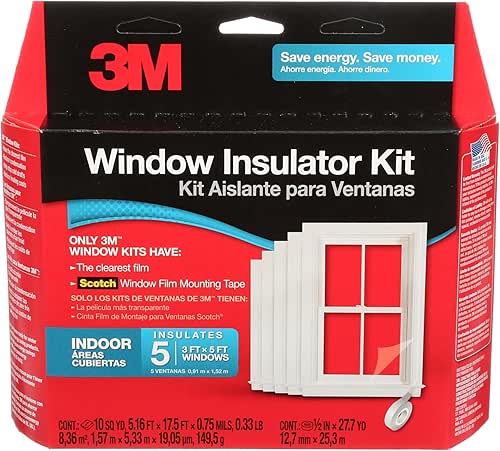

: Best for “zone heating” a home office. Consumer Reports safety testing emphasizes that models with tip-over protection and auto-shutoff are essential for safe supplemental heat [7].
The Stuffy House: Solving Poor Indoor Air Quality (IAQ)
Indoor air can be two to five times more polluted than outdoor air [10]. Poor indoor air quality often manifests as a “stuffy” feeling, but it can also cause acute symptoms like headaches, fatigue, and respiratory irritation.
The Hidden Sources of Air Irritation
Common household comfort is often sabotaged by Volatile Organic Compounds (VOCs) from cleaning chemicals and furniture, as well as humidity extremes. The World Health Organization (WHO) Housing and Health Guidelines note that damp, cold air is directly associated with increased asthma symptoms and poor mental health [8]. Conversely, excessively dry air in the winter can irritate the nose and throat, making the house feel colder than it actually is.
Actionable IAQ Fixes: Source Control and Ventilation
Improving your home’s “breathability” requires a three-pronged approach:
Top 3 Products for Cleaner, Fresher Air
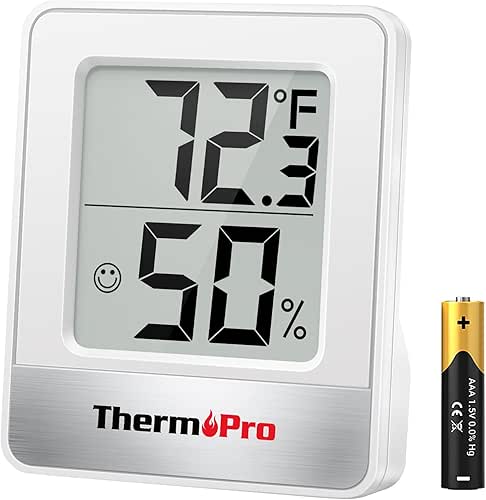
: This is the simplest way to upgrade your existing furnace. A higher MERV rating ensures better particle capture, but check your HVAC manual to ensure your system can handle the increased airflow resistance.
The Un-Cozy House: Sensory Comfort and Design Psychology
A “cozy home” is not just about temperature; it is a psychological state. Even a thermally perfect house can feel cold and clinical if the sensory cues are wrong.
The Science of ‘Hygge’: Beyond Aesthetics
Design psychology teaches us that tactile comfort and acoustics are essential for a relaxing environment. Hard, reflective surfaces (hardwood, glass, tile) cause sound to “bounce,” creating a subtle acoustic stress that prevents true relaxation. Implementing “Hygge”—the Danish concept of coziness—involves introducing soft textures and broken sightlines to create a sense of security [13].
Lighting and Acoustics: The Invisible Comfort Factors
Lighting is the most powerful tool in your comfort arsenal. Harsh, overhead “cool” lighting (5000K+) mimics midday sun, which can interfere with melatonin production. Environmental psychology research suggests that “warm” lighting (around 2700K) signals the body to lower stress levels. Furthermore, following OSHA ergonomic guidelines for your home workspace—ensuring indirect lighting and adjustable seating—can significantly reduce physical fatigue [14].
Top 3 Products for Immediate Coziness
: For anyone who wants to change the “mood” of a room instantly. These allow you to shift from “task lighting” to “relaxation mode” with a voice command.
: This is a dual-purpose tool; it provides tactile warmth for your feet and acts as a massive acoustic dampener for the room.
: For residents on busy streets, these reduce both light pollution and decibel levels, improving sleep quality and thermal insulation simultaneously.
When This Product Type Isn’t Right for You
While supplemental tools are helpful, they are not universal solutions. For instance, using a space heater in a cluttered room or near curtains is a significant fire risk; the National Fire Protection Association (NFPA) warns that space heaters account for 44% of home heating fires [15]. Additionally, portable air conditioners are often highly inefficient compared to window units or mini-splits and should only be used as a last resort in rental situations where window modifications are banned.
Complete Buying Guide: What to Look For
When shopping for comfort upgrades, focus on these technical specifications rather than marketing jargon:
R-Value: The measure of insulation’s ability to resist heat flow. Higher is better. The DOE recommends different R-values based on your specific climate zone [3].
MERV Rating: Minimum Efficiency Reporting Value for air filters. For home use, MERV 8 to 13 is the “sweet spot” for balancing filtration and HVAC health.
CADR (Clean Air Delivery Rate): This tells you how quickly an air purifier can clean a specific room size. Ensure the CADR matches your room’s square footage [11].
SEER2: Seasonal Energy Efficiency Ratio. When replacing an AC or heat pump, look for a higher SEER2 rating (15+) for better comfort and lower bills [16].
5 Common Mistakes to Avoid When Improving Home Comfort
Maintenance Tips + Essential Accessories
True home comfort requires ongoing vigilance. HVAC industry data shows that simply replacing a dirty air filter can improve system efficiency by up to 15% and prevent airflow “strangulation” that causes uneven room temperatures [18]. We recommend setting a calendar alert to check filters every 90 days. Additionally, an annual professional “tune-up” of your heating and cooling system is the best way to ensure your “comfort system” remains reliable during extreme weather.
Frequently Asked Questions
What does home comfort actually mean beyond temperature?
Home comfort is the intersection of thermal stability, healthy indoor air, controlled acoustics, and a psychologically soothing environment (ambiance).
Is it better to upgrade insulation or my HVAC system first?
Always address the “envelope” (insulation and air sealing) first. A well-sealed home allows you to purchase a smaller, more efficient HVAC system later.
How do I fix a room that is always colder than the rest of the house?
This is often caused by air leaks in the floor or ceiling of that specific room, or a disconnected/crushed duct in the HVAC system. Start by sealing the windows and checking the registers for airflow.
Do air purifiers really help with ‘stale’ air?
Air purifiers remove particles, but they do not remove CO2 or “stale” odors as effectively as fresh air ventilation. For truly fresh air, you need a balance of filtration and outdoor air exchange.
What is the most cost-effective way to improve home comfort on a budget?
Air sealing with caulk and weatherstripping around doors and windows is the highest-ROI move for most homeowners.
How does humidity affect how warm a room feels?
Moist air holds heat better than dry air. In winter, maintaining 40% humidity can make a 68-degree room feel like 72 degrees.
What are the best comfort tips for renters?
Focus on non-permanent changes: use draft stoppers at the base of doors, apply temporary window film, and use smart plug-in dimmers for lighting control.
Conclusion
Creating a truly comfortable home is a journey of transition from “fixing symptoms” to “understanding systems.” By utilizing the Home Comfort Pyramid, you can systematically diagnose why a room feels drafty or why the air feels heavy. Remember that the most expensive decor in the world cannot compensate for a lack of building science. Start with a diagnosis: check your window seals, monitor your humidity, and evaluate your lighting. Whether you are implementing free behavioral changes or investing in high-impact retrofits, the goal remains the same—a home that supports your health, reduces your bills, and provides a sanctuary from the world outside.
Ready to fix your cold rooms and stuffy air? Start by checking your window seals today, or compare current prices on our top-rated smart thermostats to begin your journey toward a higher-performance home.
Suggested Disclaimer: This article provides informational guidance on home performance. Always consult with a licensed HVAC professional or certified energy auditor before making structural or mechanical changes to your home.
References
[1] Sealed. (2025). The Comprehensive Guide to a Comfortable Home. Retrieved from https://sealed.com/resources/comfortable-home/
[2] ASHRAE. (2025). Standard 55: Thermal Environmental Conditions for Human Occupancy.
[3] U.S. Department of Energy. (N.D.). Guide to Home Insulation. Retrieved from https://www.energy.gov/sites/prod/files/guide_to_home_insulation.pdf
[4] Building Performance Institute (BPI). (2024). Standards for Residential Energy Auditing.
[5] ASHRAE. (2025). Mean Radiant Temperature and Human Comfort Factors.
[6] Energy.gov. (2025). Weatherize Your Home. Retrieved from https://www.energy.gov/energysaver/weatherize
[7] Consumer Reports. (2024). Space Heater Safety and Testing Results.
[8] World Health Organization (WHO). (2018). Housing and Health Guidelines.
[9] American Lung Association. (2024). Indoor Air Quality Improvements. Retrieved from https://www.lung.org/blog/indoor-air-quality-improvements
[10] U.S. Environmental Protection Agency (EPA). (2025). Indoor Air Quality Research.
[11] Healthline. (2024). Do Air Purifiers Really Work?. Retrieved from https://www.healthline.com/health/allergies/do-air-purifiers-work
[12] Environment and Behavior Journal. (2023). The Impact of Color Temperature on Residential Stress.
[13] YouTube. (2024). Design Psychology: 8 Tips for a Cosy Home.
[14] OSHA. (2025). Ergonomic Guidelines for Seated Work and Lighting.
[15] National Fire Protection Association (NFPA). (2024). Heating Safety Research and Statistics.
[16] ENERGY STAR. (2025). Smart Thermostat Requirements and Savings.
[17] Air Conditioning Contractors of America (ACCA). (2025). Manual J: Residential Load Calculation.
[18] Department of Energy (DOE). (2025). Maintaining Your Air Conditioner*.