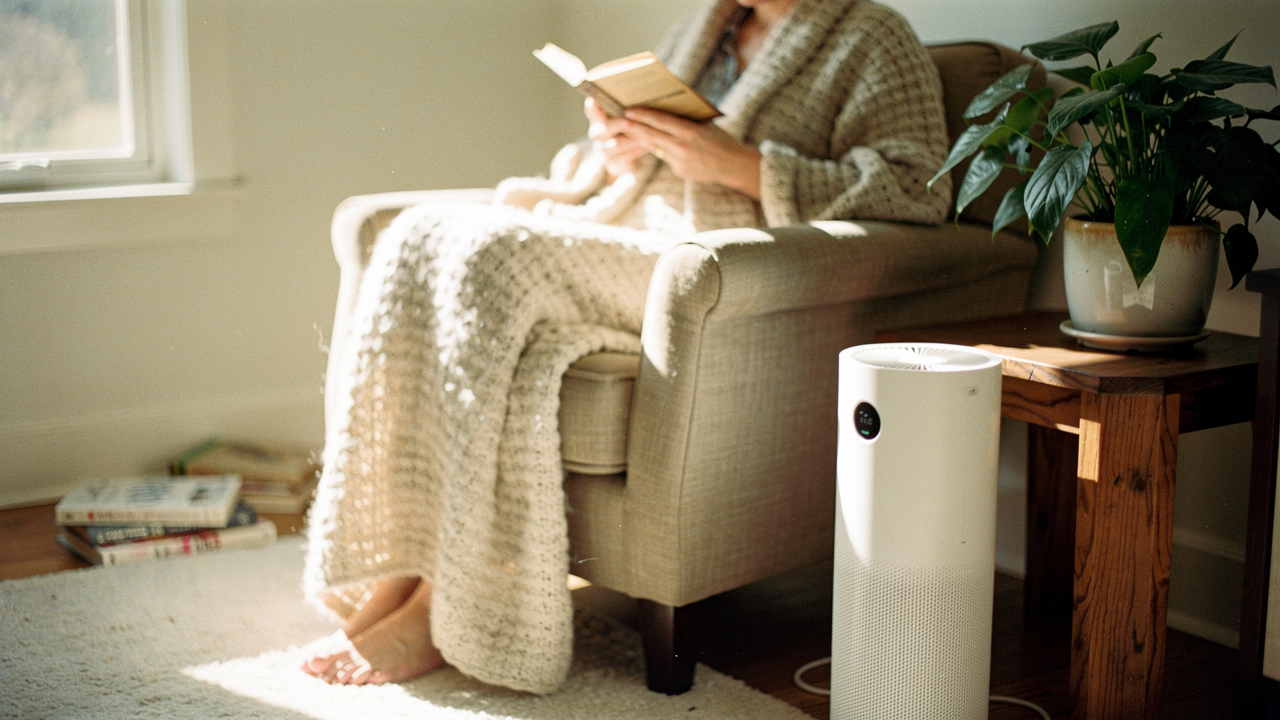
Have you ever walked into a room and felt an immediate sense of unease? Perhaps it’s a lingering chill that a sweater can’t fix, a persistent stuffiness that makes your head feel heavy, or a cluttered layout that keeps you from truly relaxing. When your home feels “off,” it’s rarely just one thing. It is a systemic failure of what we call the “Comfort Stack”—the integration of thermal regulation, air quality, and environmental psychology.
Most advice stops at buying a new throw pillow or turning up the thermostat. However, true home comfort is a science. This Home Comfort Blueprint is designed to help you move beyond “band-aid” fixes. We will bridge the gap between building science and lifestyle design, providing you with a prioritized roadmap that ranges from zero-cost “quick wins” to high-impact professional upgrades. Whether you are battling winter drafts or struggling with poor indoor air quality, this guide will help you create a perfectly balanced, efficient, and healthy living environment.
Quick Answer: Our Top 3 Picks at a Glance
For those looking for immediate “home comfort solutions,” we’ve identified three foundational tools that address the primary pillars of a comfortable home.
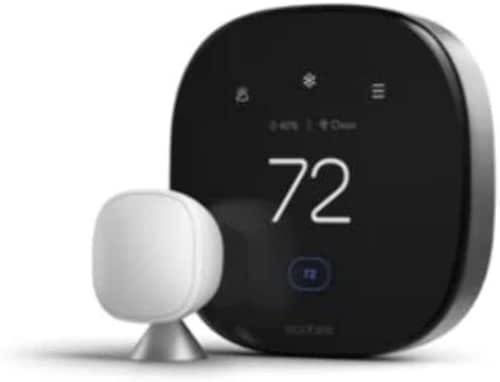

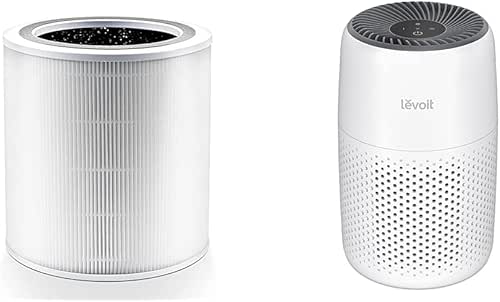
To ensure these choices align with the highest efficiency standards, you can explore the ENERGY STAR Product Finder for verified, data-backed equipment.
Temperature Imbalances: Causes, Solutions, and Best Products
The most frequent complaint among homeowners is an “uncomfortable home” characterized by hot or cold spots. This isn’t just a nuisance; it’s a sign of a compromised “thermal envelope.” According to the U.S. Department of Energy (DOE), heating and cooling account for approximately 50% of the average home’s energy use [1]. When temperatures are uneven, your HVAC system works overtime, leading to high bills and premature equipment failure.
The American Society of Heating, Refrigerating and Air-Conditioning Engineers (ASHRAE) sets the standard for thermal comfort, suggesting that most humans are comfortable between 68°F and 76°F, depending on humidity and activity levels [3]. If your rooms deviate significantly from this range, the culprit is likely a breakdown in your home’s ability to retain conditioned air.
Why This Happens: The Science of Heat Loss
Physical discomfort often stems from three scientific processes: convection (air movement), radiation (heat moving toward cold surfaces), and air leaks. Research by building-envelope experts like RetroFoam highlights that air leaks are often the primary driver of drafts [8]. In a poorly sealed home, warm air escapes through the attic (the “stack effect”), while cold air is sucked in through basement rim joists and gaps around windows. This constant cycle makes surfaces like floors and walls feel cold to the touch, which actually “pulls” heat away from your body through radiation, making you feel chilled even if the air temperature is set to 70°F.
How to Fix It: A Staged Action Plan
To solve “home temperature issues,” follow this tiered approach:
Tier 1 (No Cost): Check all supply vents to ensure they aren’t blocked by furniture. Interestingly, the Home Comfort Alliance suggests switching your HVAC fan setting from “Auto” to “On” during extreme weather to promote constant air circulation, which can help mitigate hot or cold areas, though it may slightly increase energy use [10]. Tier 2 (Low Cost): Change your HVAC filters. A clogged filter reduces airflow, causing the system to struggle to reach distant rooms. Tier 3 (Moderate Investment): Focus on “affordable ways to improve home comfort” by air sealing. Use caulk and weatherstripping around doors and windows. The DOE notes that proper air sealing and insulation can reduce heating and cooling costs by 15–20% [1]. Tier 4 (Professional): Schedule a professional energy audit. For a deep dive into where your home is failing, refer to the DOE’s Insulation and R-Value Guide to see if your attic meets modern standards.
Top 3 Products That Solve Temperature Imbalance

Poor Indoor Air Quality: Health Risks and Fresh Air Solutions
We often think of comfort as something we feel on our skin, but “poor indoor air quality” (IAQ) is an invisible disruptor. IAQ is linked to acute symptoms like headaches, fatigue, and irritation of the eyes, nose, and throat [5]. Beyond mere “stuffiness,” the World Health Organization (WHO) warns that indoor air pollution is a significant global health burden, contributing to respiratory diseases and even cardiovascular issues [7].
The Hidden Dangers: VOCs, Mold, and CO2
Indoor air can be two to five times more polluted than outdoor air. Common culprits include Volatile Organic Compounds (VOCs) from cleaning supplies, dampness leading to mold, and the buildup of CO2 in “tight” homes without proper ventilation. The National Institute of Environmental Health Sciences (NIEHS) points out that children and the elderly are particularly vulnerable to these pollutants [6]. If your home feels “stale,” it’s likely a ventilation failure rather than a cleaning issue.
How to Breathe Easier: Ventilation and Filtration
Improving IAQ requires a three-pronged strategy:
Top 3 Products for Healthier Indoor Air
The Psychology of Coziness: Layout and Sensory Design
Comfort is as much psychological as it is physical. Even in a perfectly heated room with clean air, you can feel “uncomfortable” if the environment is chaotic. This is where “improve home coziness” intersects with environmental psychology.
Environmental Psychology: Why Layout Matters
Research cited by the American Psychological Association (APA) suggests a direct link between physical clutter and increased cortisol (stress hormone) levels [9]. Furthermore, spatial design experts at VividX House emphasize that “spatial tension”—such as blocked walkways or furniture that feels “unanchored”—prevents the brain from entering a state of rest [11]. A “comfortable home” requires clear sightlines and a layout that facilitates natural movement.
Sensory Layering: Lighting, Textiles, and Sound
To achieve true “hygge,” or cozy wellbeing, you must layer your sensory experience: Lighting: Color temperature matters. The National Sleep Foundation recommends warm-toned lighting (around 2700K) in the evening to signal to the brain that it’s time to wind down [4]. Avoid “daylight” bulbs (5000K+) in bedrooms, as the blue light spectrum can disrupt sleep patterns. Textiles: Rugs and curtains aren’t just for looks. Closing heavy curtains in winter can reduce heat loss by 10% [1], providing both thermal and acoustic insulation. Sound: Soft surfaces (rugs, blankets) absorb echoes, reducing the “acoustic stress” often found in modern homes with hard flooring.
Top 3 Products for a Cozier Atmosphere
When This Product Type Isn’t Right for You
Before you spend money on “comfort tips” or new gadgets, it’s important to recognize when a problem is structural. A smart thermostat cannot fix a lack of attic insulation. A high-end air purifier cannot solve a major mold infestation caused by a roof leak.
Stop and Call a Professional if: You see visible mold growth larger than 10 square feet (requires certified remediation). You suspect your home contains asbestos or lead-based paint (common in pre-1978 homes). Your furnace or AC is making loud grinding noises or smells like burning (safety hazard). A room is more than 5°F different from the rest of the house despite your vents being open (indicates ductwork failure or extreme insulation gaps).
Complete Buying Guide: What to Look For
When investing in “energy efficient comfort,” you need to understand the technical metrics that determine performance.
SEER (Seasonal Energy Efficiency Ratio): For Air Conditioners. Modern units range from 14 to 28. A higher SEER means more cooling for less electricity. AFUE (Annual Fuel Utilization Efficiency): For Furnaces. Look for 90% or higher. A 96% AFUE furnace converts 96% of the fuel into heat. HSPF (Heating Seasonal Performance Factor): For Heat Pumps. Look for a rating of 8.5 or higher. R-Value: This measures insulation’s resistance to heat flow. The higher the R-value, the better the insulation. For most attics, the DOE recommends between R-38 and R-60 depending on your climate zone.
5 Common Mistakes to Avoid When Buying Home Comfort Upgrades
Maintenance Tips + Essential Accessories
To keep your “Comfort System” running through 2025 and beyond, follow the ENERGY STAR maintenance schedule [2]: Monthly: Check your HVAC filter. If it looks dirty, change it. Bi-Annually: Have a pro tune-up your AC in the spring and your furnace in the fall. Yearly: Clean your gutters to prevent water from backing up and causing mold (IAQ) issues.
Seasonal Comfort Checklist
Winterizing Your Home: Reverse ceiling fans to “clockwise” to push warm air down. Install “draft stoppers” at the base of exterior doors. Check that your CO (Carbon Monoxide) detectors have fresh batteries.
Summer Home Prep: Clean the outdoor AC condenser unit of debris and grass clippings. Close blinds on south-facing windows during the day to prevent “solar gain.” Check your dehumidifier settings to keep indoor humidity below 50%.
Frequently Asked Questions
What is the ideal temperature for sleep? According to the National Sleep Foundation, the optimal bedroom temperature for sleep is between 60°F and 67°F [4]. A room that is too hot can interfere with your body’s natural temperature regulation during the night.
How can I make my home more comfortable on a tiny budget? Focus on the “Draft Detection” test. Move a lit incense stick or a thin tissue near windows and outlets. Where it flickers, use $5 caulk or weatherstripping to seal the leak. This is the highest ROI comfort fix available.
Why does my home feel uncomfortable even though it’s clean and tidy? This is often a result of “Invisible Discomfort.” Check your humidity levels (ideal is 30-50%) and your CO2 levels. High CO2 from a lack of fresh air can make a space feel “heavy” and cause “brain fog,” regardless of how clean the floors are.
When should I hire an HVAC professional? If you have performed basic maintenance (filter changes, vent checks) and still experience a temperature difference of more than 3-4°F between rooms, you likely have a ducting issue or a system calibration problem that requires professional diagnostic tools.
Conclusion
Creating a truly comfortable home is a journey that blends the precision of building science with the art of lifestyle design. By viewing your home as a “Comfort System”—one that requires proper thermal sealing, medical-grade air filtration, and psychological “anchors”—you can transform any space into a sanctuary.
Start with the “quick wins”: seal those drafts, change that filter, and adjust your lighting. Once the foundation is solid, move toward the high-impact upgrades that will pay for themselves in energy savings and wellbeing. Comfort isn’t a luxury; it’s the baseline for a healthy, happy life.
Ready to eliminate drafts and boost your home’s coziness? Start your journey by performing a 10-minute “Comfort Self-Audit” of your windows and doors today, and check current prices on our top-rated to begin your efficiency journey.
Disclaimer: This guide provides informational home improvement advice. Always consult with a licensed HVAC professional or structural engineer before performing major modifications. DIY projects involving electrical or gas lines should only be attempted by qualified individuals.