=
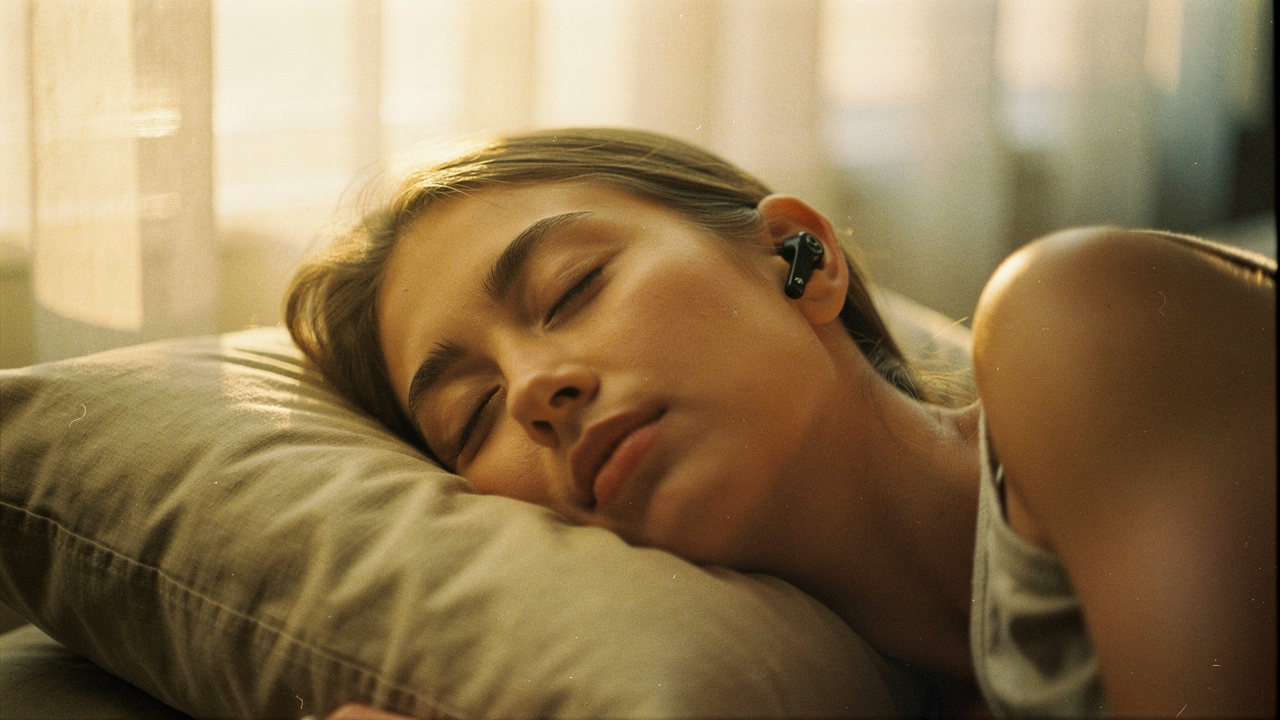
I spent months testing everything from bulky noise-canceling cans to those foam earplugs that always seem to pop out by 3:00 AM. What I finally discovered is that you don’t need to spend $300 to reclaim your quiet. In fact, my absolute favorite solution for side sleepers is currently seeing a massive price drop.
In this guide, I’m breaking down the specific $50-off deal that saved my mornings, while also looking at the health, safety, and ergonomics of sleep audio. Because let’s face it—you can’t be your best self if you’re waking up with sore ears and a foggy brain.
The Deal: Why These are the Best Cheap Earbuds for Sleep Today
The struggle with most “sleep” tech is that it’s often either too expensive or too flimsy. I ignored the dedicated sleepbud market for a long time because I didn’t think the price justified the niche use. Then I tried a pair designed specifically for low-profile comfort, and the difference in my “Sunday Reset” was night and day.
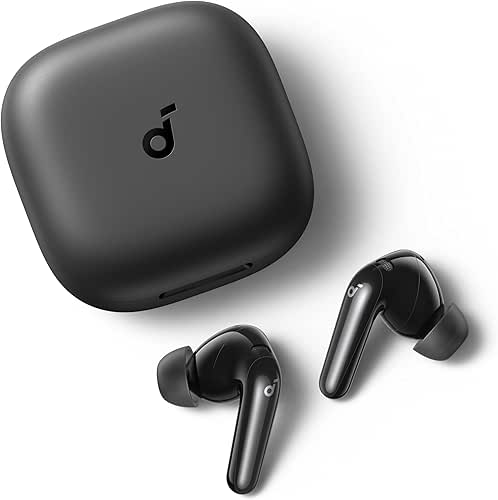
I used to try sleeping with my regular everyday earbuds, but they’d press into my ear canal the second I rolled over, leaving me with a dull ache by morning. I went through three different brands before finding a pair with a 3D ergonomic design that actually sits flush within the ear. Right now, the Soundcore Sleep A20—which I consider the gold standard for budget-conscious sleepers—is $50 off, bringing it into a much more accessible price bracket.
Micro-Verdict: The ultimate side-sleeper hack for under-the-radar comfort.


Why Side Sleepers Should Care About Housing Profile
If you’re a side sleeper like me, the physical height of the earbud is the only metric that truly matters. Research from the KTH Royal Institute of Technology suggests that earbuds protruding more than 2–3 mm from the ear surface significantly increase pressure-related discomfort when your head hits the pillow [3].
The A20s work because they are incredibly thin. They don’t rely on a long stem that gets caught on your pillowcases; instead, they use a “twin-seal” ear tip that distributes pressure evenly across the cartilage. This design isn’t just about comfort—it’s about preventing the inflammation that happens when a hard plastic shell is pressed into your ear for eight hours straight.
Is It Safe to Wear Earbuds All Night?
One of the most common questions I get in my inbox is: “Jordan, am I going to ruin my hearing if I do this every night?” It’s a fair concern. High Lifestyle ROI means improving your life, not creating a new medical bill.
The World Health Organization (WHO) notes that environmental noise above 40 dB at night can trigger your nervous system, raising cortisol levels even if you don’t fully wake up [1]. So, using earbuds to block that noise is actually a health win, provided you follow two golden rules: volume and hygiene.
While OSHA allows for 85 dB exposure over eight hours, audiology experts recommend keeping sleep audio under 70 dB [2]. I personally set a “sleep timer” on my phone so the audio fades out after 90 minutes, allowing my ears a break once I’m in a deep sleep cycle.
There’s also the “moisture factor.” According to data from Avantree, wearing in-ear devices can lead to a 60% increase in earwax accumulation because the ear canal is occluded (blocked) [4]. To avoid infections, I’ve made it a habit to wipe my earbuds down with a tiny bit of rubbing alcohol every Sunday morning during my house reset.
Top Budget Alternatives Under $50
If the A20s are still a bit of a stretch, or if you’re just looking for a “travel pair” to keep in your carry-on, there are some incredible affordable earbuds that perform way above their price tag.
Comparing the Top 3 Budget Picks
Here is how the current crop of budget-friendly sleep options stacks up for different types of sleepers:
- The All-Rounder: — Known for having surprisingly good Active Noise Canceling (ANC) for under $50. It’s small enough for most sleepers and has an 8-hour battery life.2026年10月14日 10:42 AM
-
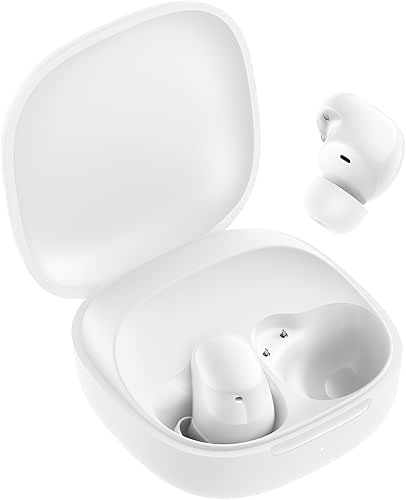
- The Minimalist Pick: — These are tiny. If you have small ears and find most buds “bulky,” these are the best cheap earbuds for sleep under $25.2026年10月13日 1:07 AM
-
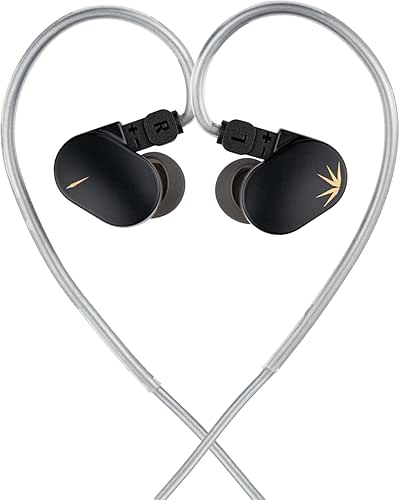
- The Wired Purist: — If you hate worrying about batteries dying at 4:00 AM, these wired buds are a cult favorite for their flat profile and clear sound [5].2026年10月13日 1:07 AM
-
The Persona Loadout: Finding Your Fit
Depending on how you sleep, your needs will change. Here is what I recommend based on your “sleep style”:
The Deep Side Sleeper
You spend 90% of the night on your side and need zero protrusion.
- Essential: Soundcore Sleep A20 (for that flush fit)
- Essential: A silk or satin pillowcase to reduce friction
- Pro Upgrade: A “doughnut” pillow with an ear recess to completely remove pressure
The Noisy Apartment Dweller
You’re trying to block out a snoring partner or a busy street.
- Essential: Soundcore P31i (for the Active Noise Canceling)
- Essential: A white noise machine as a secondary layer of “sound masking”
- Pro Upgrade: Blackout curtains to match the “silent” vibe with “dark”
The Snoring Battle: ANC vs. Passive Isolation
Here’s a truth I learned the hard way: Active Noise Canceling (ANC) is great for the low, steady hum of an airplane engine, but it often struggles with the erratic, mid-frequency “chainsaw” sound of snoring. Snoring typically falls between 200–800 Hz.
What surprised me during my research was that “passive isolation”—the physical seal of the earbud—is often more effective for snoring than the electronics themselves. Niche brands like QuietOn claim up to 30 dB of low-frequency attenuation specifically for this reason [5]. If you’re buying cheap earbuds for sleep to escape a snoring partner, look for models that come with multiple “wing” and “tip” sizes. A tighter seal will always block more snoring than a mediocre ANC chip.
How to Stop Earbuds from Hurting: A Sleep Geek’s Protocol
If you’ve ever woken up with that “bruised ear” feeling, it’s likely because of cartilage pressure. Most standard earbuds exert between 0.3 to 0.7 PSI on your ear cartilage [4]. Over four hours, that pressure causes inflammation.
To optimize your environment for high-ROI sleep, try these steps:
- The “Size Down” Rule: Always use one size smaller ear tip than you would for the gym. Your ear canal relaxes when you lie down.
- The Pillow Pocket: I sometimes use a memory foam pillow and carve a small, 1-inch “well” where my ear sits. It sounds extra, but it removes all pressure from the earbud.
- Positioning: Instead of inserting the bud straight in, try a “twist and lock” motion to ensure the body of the bud is tucked behind the tragus (that little bump at the front of your ear).
Investing $50 in your sleep isn’t just about buying a gadget; it’s about buying back your energy for the next day. Whether you grab the A20s while they’re on sale or start with a pair of $25 Redmi buds, your future, well-rested self will thank you.
Medical Disclaimer: I am a tech optimization expert and lifestyle curator, not a doctor. The advice provided here is based on personal testing and ergonomic research. Please consult an audiologist or ENT specialist if you experience persistent ear pain, hearing changes, or signs of infection.
Data & Research Sources
- World Health Organization (2018). Environmental Noise Guidelines for the European Region. WHO Source
- Occupational Safety and Health Administration (OSHA). Occupational Noise Exposure Standards. OSHA Source
- KTH Royal Institute of Technology (2022). Ergonomics of In-Ear Devices for Prolonged Use.
- Avantree (2024). Health Risks and Pressure Analysis of Overnight Earbud Use.
- Scarbir (2024). Best Cheap Wireless Earbuds for Sleeping: A Detailed Review. Scarbir Source