=
For me, sleep is the ultimate “High Lifestyle ROI” activity. If I don’t get those solid seven to eight hours, everything else suffers—my morning yoga flow feels heavy, my sourdough starter gets neglected, and my productivity tank. What I’ve learned over a decade of digital wellness is that you don’t always need a cabin in the woods to find peace; sometimes, you just need the right gear to create it for you.
I’ve spent months testing different ways to quiet the world, and let me tell you, not all “sleep headphones” are created equal. Some are too bulky for side sleepers, others have batteries that die at 3:00 AM, and some—frankly—just hurt. This guide is the result of my search for the perfect balance of comfort, science, and silence.
The Anatomy of a Better Night: Why Sleep Headphones Matter
It’s easy to think that if you aren’t waking up fully, the noise isn’t a problem. But the science tells a different story. According to the Sleep Foundation, environmental noise can fragment your sleep, keeping you in Stage 1 (light sleep) and preventing you from reaching the deep, restorative slow-wave and REM stages you actually need to feel human the next day [1].
What surprised me most in my research was how chronic noise disruption impacts our brains even after we wake up. The Brentwood Hearing Center points out that this constant “micro-arousal” can lead to mood swings and decreased cognitive performance during the day [2]. It’s why regular AirPods or noise-canceling headphones you use at the gym won’t cut it for sleep. They aren’t designed for eight hours of ear-to-pillow contact, and they often lack the specific noise-masking frequencies needed to bury a snoring partner or a distant siren.
Choosing Your Form Factor: Headbands, Buds, or Masks?
When you start looking for a solution, you’ll find three main “camps.” Choosing the right one is about more than just aesthetics; it’s about how you move in your sleep.
The NYT Wirecutter notes that most sleep headphones on the market have at least one major flaw—whether it’s a blinking light that bothers your partner or a speaker that feels like a pebble against your ear [4]. Here’s how to narrow it down:
The Headband: Best for Maximum Softness
Think of this as a soft, moisture-wicking sweatband with ultra-thin speakers tucked inside. These are fantastic if you’re a “tosser and turner” because there’s nothing to fall out of your ear.
The Tiny Earbud: Best for Severe Noise
These are purpose-built “sleep earphones” that sit flush inside your ear canal. They are much smaller than standard earbuds, designed specifically so side sleepers don’t feel that sharp pressure against the ear cartilage.
The Side Sleeper’s Holy Grail: Comfort Without the Ache
If you’re a side sleeper like me, you know the struggle. Most earbuds act like a lever when your head hits the pillow, pushing deep into the canal and causing that dull, throbbing ache by midnight.
The Cleveland Clinic actually recommends soft headbands or external bedside speakers as safer alternatives for those with sensitive ear canals [3]. However, if you need the noise-blocking power of an earbud, the secret is in the profile. A “side-sleeper approved” bud must be thin enough to sit entirely within the concha of the ear, never protruding past the outer rim.
Jordan’s Sleep Persona Loadouts
Depending on your specific struggle, your “kit” will look different. Here’s how I segment the best options:
- The City Dweller: Needs Active Noise Cancellation (ANC) to handle traffic and sirens.
- The Snore-Survivor: Needs high-frequency noise masking to “paint over” the sound of a partner.
- The Minimalist: Prefers a soft headband that doubles as a sleep mask.
- The Data Geek: Wants earbuds that track sleep stages and heart rate variability (HRV).
Quick Picks: Expert Recommendations by Need
Finding the right pair is an investment in your daily energy. Here are the products that passed my “Good Life Test” for efficiency, durability, and joy.
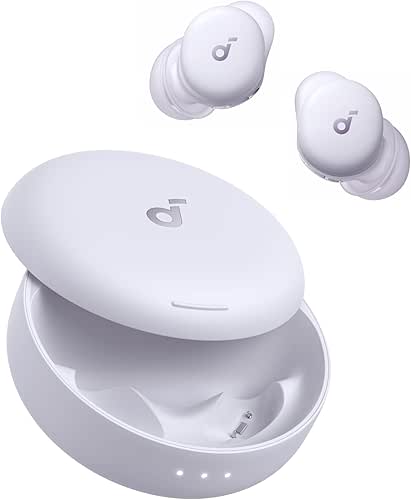
Let’s be honest: living with a heavy snorer is a test of any relationship. I used to rely on foam earplugs, but they always felt like pressure cookers in my ears, and I could still hear the “rumble” through my jawbone. I needed something that didn’t just muffle the sound but actively fought it. I finally found that balance in a pair of earbuds that combine a tiny physical profile with active tech.
- Micro-Verdict: The game-changer: It turns a log-sawing partner into a distant, manageable hum.

For a long time, I ignored headbands because I thought they’d be too hot for Texas summers. I was wrong. I started using a version made with “Breeze” fabric, and it changed my Sunday reset routine completely. If you’re the type of person who wakes up because your earbuds fell out and are lost somewhere in the sheets, this is the solution you’ve been looking for. It stays put, no matter how much you move.
- Micro-Verdict: The real win here: It’s essentially a cozy, breathable sweater for your ears that plays your favorite sleep stories.

I’ll admit, I was skeptical about the price point of high-end sleep buds at first. But after a few nights of seeing the actual data on how much I was tossing and turning, I was sold. These are for the person who misses the original Bose Sleepbuds but wants better battery life and more customization. They sit so flat that I genuinely forgot I was wearing them until my alarm went off the next morning.
- Micro-Verdict: What sold me: 10 hours of consistent masking combined with sleep tracking that actually helps you optimize your recovery.

The Science of Silence: ANC vs. Noise Masking
Here’s a bit of tech-talk that actually matters: there’s a difference between blocking noise and masking it.
Active Noise Cancellation (ANC) is incredible for low-frequency sounds—the drone of an airplane or the hum of an air conditioner. However, for “erratic” sounds like a dog barking or a partner snoring, “masking” is often more effective. This involves playing a steady, soothing sound (like pink noise or a rain shower) that raises the “noise floor,” making the sudden spike of a snore less jarring to your brain.
The most “High ROI” devices, like the Soundcore Sleep A30, actually use a combination of both. No Sleepless Nights points out that while the passive isolation of some buds is weak on its own, adding a layer of high-quality masking audio creates a “protective bubble” of sound [5].
Safety, Hygiene, and Maintenance
Just like my sourdough needs a clean jar, your ears need a clean environment. Wearing anything in your ears for eight hours a day can lead to wax build-up or irritation if you aren’t careful.
I’ve found that a simple routine makes all the difference. Shokz notes that ear pain often comes from over-tight bands or ill-fitting tips that trap moisture [6].
- Daily: Wipe down your earbuds or the speakers in your headband with a slightly damp cloth.
- Weekly: Wash the fabric headband (remove the speakers first!) to prevent oils and sweat from building up.
- Monthly: Inspect the silicone tips for any signs of wear and replace them if they’ve lost their “seal.”
- The Volume Rule: Always keep your volume at the lowest level that still masks the noise. Your ears need rest, too.
If you start feeling any sharp pain or notice a change in your hearing, take a break. It’s okay to go back to total silence for a few nights while your ears reset.
Creating a calm, intentional space is the first step toward a better life. Whether you’re trying to drown out the city or just find a little more peace in your own home, the right pair of sleep headphones is an investment that pays you back every single morning when you wake up feeling refreshed.
Medical Disclaimer: This guide is for informational purposes. Consult an ENT (Ear, Nose, and Throat specialist) if you experience chronic ear pain or hearing changes.
Resources & Further Reading
- Sleep Foundation (2024). How Noise Affects Sleep Architecture. https://www.sleepfoundation.org/noise-and-sleep
- Brentwood Hearing Center (2023). The Impact of Environmental Noise on Daytime Cognition. https://brentwoodhearingcenter.com/how-noise-can-impact-your-sleep-cycle
- Cleveland Clinic (2024). Is It Safe to Sleep with Headphones? https://health.clevelandclinic.org/sleeping-with-headphones
- NYT Wirecutter (2024). The Best Sleep Headphones. https://www.nytimes.com/wirecutter/reviews/best-sleep-headphones
- No Sleepless Nights (2024). Soundcore A30 vs Ozlo: The Deep Comparison. https://www.nosleeplessnights.com/headphones-for-sleeping
- Shokz Technical Blog (2023). Understanding and Preventing Ear Pain from Headphones. https://uk.shokz.com/blogs/guides/ear-pain-from-headphone